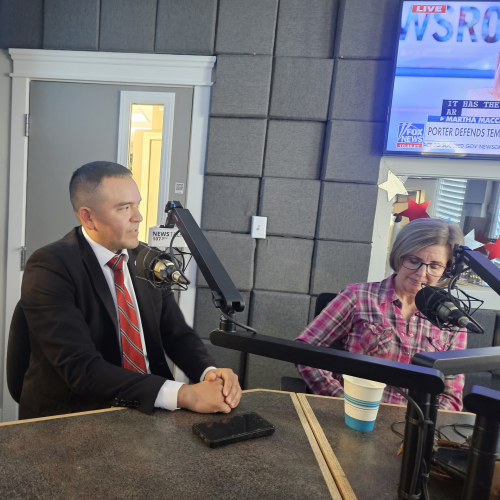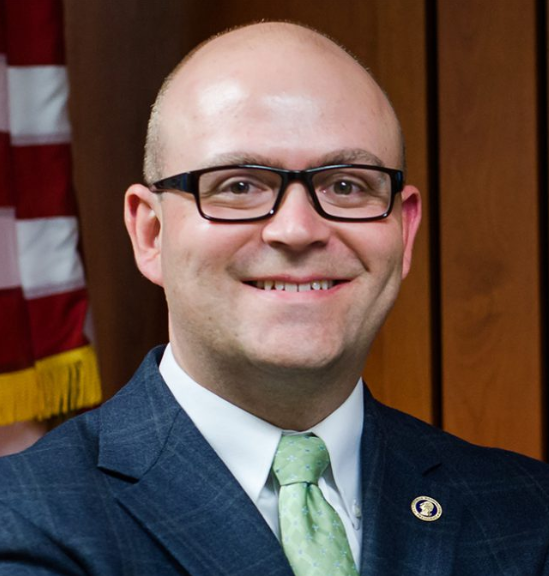

In a morning interview with Neal Larson and Julie Mason on Newstalk 107.9, U.S. Senator Jim Risch provided insights into recent national developments and foreign policy concerns. Speaking from the Capitol before presiding over a financial security session, Risch discussed the President’s State of the Union address, legislative hurdles regarding election integrity, and the current military standing of Iran.
Regarding the State of the Union, Senator Risch offered a positive assessment from a Republican perspective. He argued that the speech effectively articulated party priorities while “calling out” Democratic opposition on issues such as voter identification. While the address lasted 106 minutes, Risch noted that much of that time consisted of pauses, suggesting the actual content was closer to 45 minutes. He also commented on the demeanor of Democratic members during the event, describing their lack of participation in bipartisan applause as a missed opportunity to demonstrate unity on the government’s primary responsibility to protect its citizens.
Turning to domestic policy, Risch addressed the SAVE Act and broader concerns over election integrity. He expressed frustration with the legislative process in the Senate, specifically the 60-vote threshold required for passage. Risch emphasized that while Idaho maintains high standards for election security, other jurisdictions have historically faced challenges with “honesty and integrity” in the voting process. He stated that maintaining the “heart of democracy” requires a renewed focus on free and fair elections, though he acknowledged that the current political climate in Washington makes immediate negotiation difficult.
The interview concluded with a discussion on the situation in Iran. Risch characterized the Iranian regime as being in a “horrible” position following recent conflicts and historical actions by the Trump administration. He suggested that Iran’s military capabilities are currently diminished and their defenses are compromised. According to Risch, a significant majority of the Iranian population—specifically those under the age of 35—does not support the current leadership. He asserted that a regime change in Iran would lead to greater global stability and a reduction in state-sponsored terrorism throughout the Middle East.