
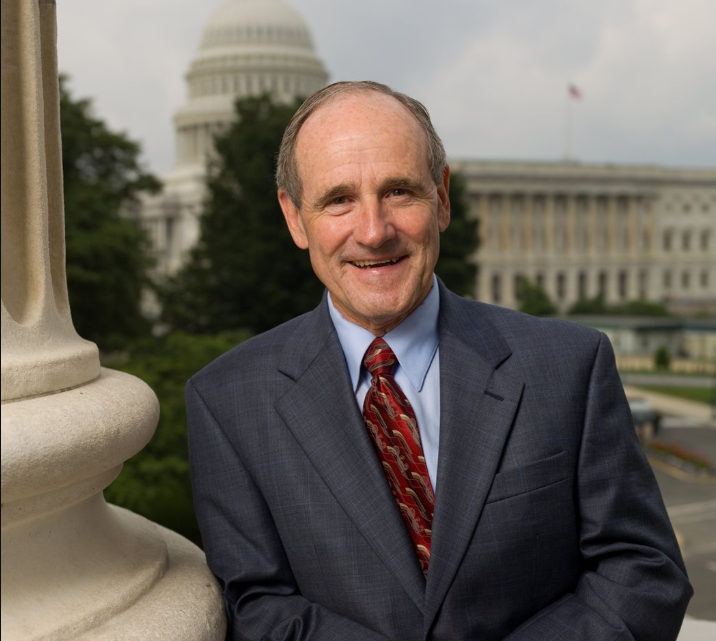
In a recent interview on Newstalk 107.9, U.S. Senator Jim Risch shared his perspective on escalating tensions with Iran and the legislative hurdles facing election integrity efforts in Washington. Speaking with hosts Neal Larson and Julie Mason, the Senator addressed foreign policy concerns, domestic voting laws, and the status of his own re-election campaign.
Regarding the situation in Iran, Risch characterized the current regime as “cruel and vicious,” distinguishing the ruling leadership from the country’s younger population. He noted that negotiations have stalled because the regime continues to “drag their feet” and cannot be trusted to uphold agreements. While Risch expressed support for the goal of regime change to secure American interests, he clarified that he does not advocate for “boots on the ground,” noting that the American public lacks the appetite for such a move. He also dismissed theories that the U.S. is strategically using the conflict to restrict energy supplies to China, asserting that such a maneuver is not part of the current American strategy.
The conversation also focused on the Strait of Hormuz, a critical waterway for global oil shipments. Risch emphasized the necessity of keeping international waters open, stating that no country has the right to close them. He indicated that while oil continues to move through the Strait, maintaining this flow remains a high priority for national and global economic security.
Turning to domestic policy, Risch addressed the Safeguard American Voter Eligibility (SAVE) Act. The legislation seeks to implement a national standard requiring proof of citizenship for voter registration and photo identification at the polls. While some Senate leadership has suggested the bill may be “dead in the water” due to a lack of votes, Risch remains a firm supporter. He argued that these requirements are “common sense” measures intended to ensure the integrity of the democratic process. Despite opposition from Democrats and concerns from a few Republicans representing states with unique voting logistical challenges, Risch stated that proponents would continue to work on the measure.
Finally, Risch touched on his re-election bid, following a primary win where he secured two-thirds of the vote. He dismissed recent opposing polls as “push polls” intended to influence public opinion rather than measure it, expressing confidence in his current standing with voters.