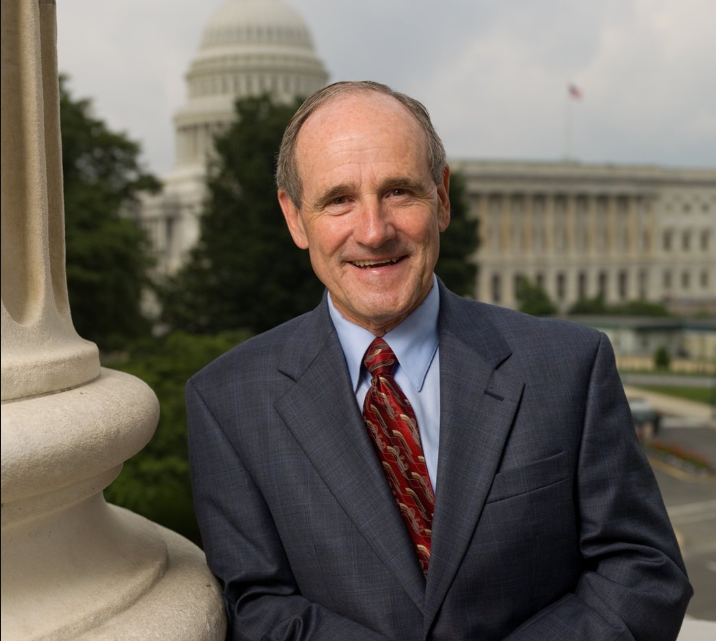
In a recent interview on Newstalk 107.9 with Neal Larson and Julie Mason, U.S. Senator Jim Risch discussed the changing dynamics of his re-election campaign and several high-stakes legislative issues currently facing Congress. Risch addressed the recent withdrawal of Democratic challenger David Roth, whose departure has left Independent candidate Todd Achilles as his primary opponent.
Risch dismissed the significance of the shift, characterizing Achilles as a “Democrat” despite the Independent label on the ballot. The Senator cited Achilles’ history of donations to Democratic candidates and his position as a faculty member at UC Berkeley as evidence of a “leftist” platform. Risch argued that the change in the race was a tactical move to appeal to Idaho voters who have not elected a Democrat to the U.S. Senate in over half a century.
The interview also touched on campaign attacks regarding Risch’s age. The Senator defended his long tenure, emphasizing that his seniority provides Idaho with significant influence in Washington. As a high-ranking member of committees involving foreign relations and energy, Risch noted that his experience allows him to work daily with federal agencies to craft national policy. He stated that Idahoans have repeatedly supported him because of the results his seniority produces for the state.
Regarding federal legislation, Risch expressed strong support for the SAVE Act, which aims to require proof of U.S. citizenship for voter registration. While acknowledging that Idaho’s elections are secure, he argued that national standards are necessary to ensure the integrity of the federal government. He also discussed the ongoing wildfire crisis in Idaho, advocating for better coordination between the five federal agencies responsible for fire management and suggesting that more aggressive thinning of forest “fuel” is needed to prevent devastating burns.
As the Senate nears its August recess, Risch identified the primary goal as securing government funding before the September 30 deadline. He emphasized the importance of avoiding a government shutdown, particularly to maintain national defense. Additionally, Risch noted his continued work on a bipartisan bill to sanction Russian oil revenues, aimed at further restricting funding for the conflict in Ukraine.