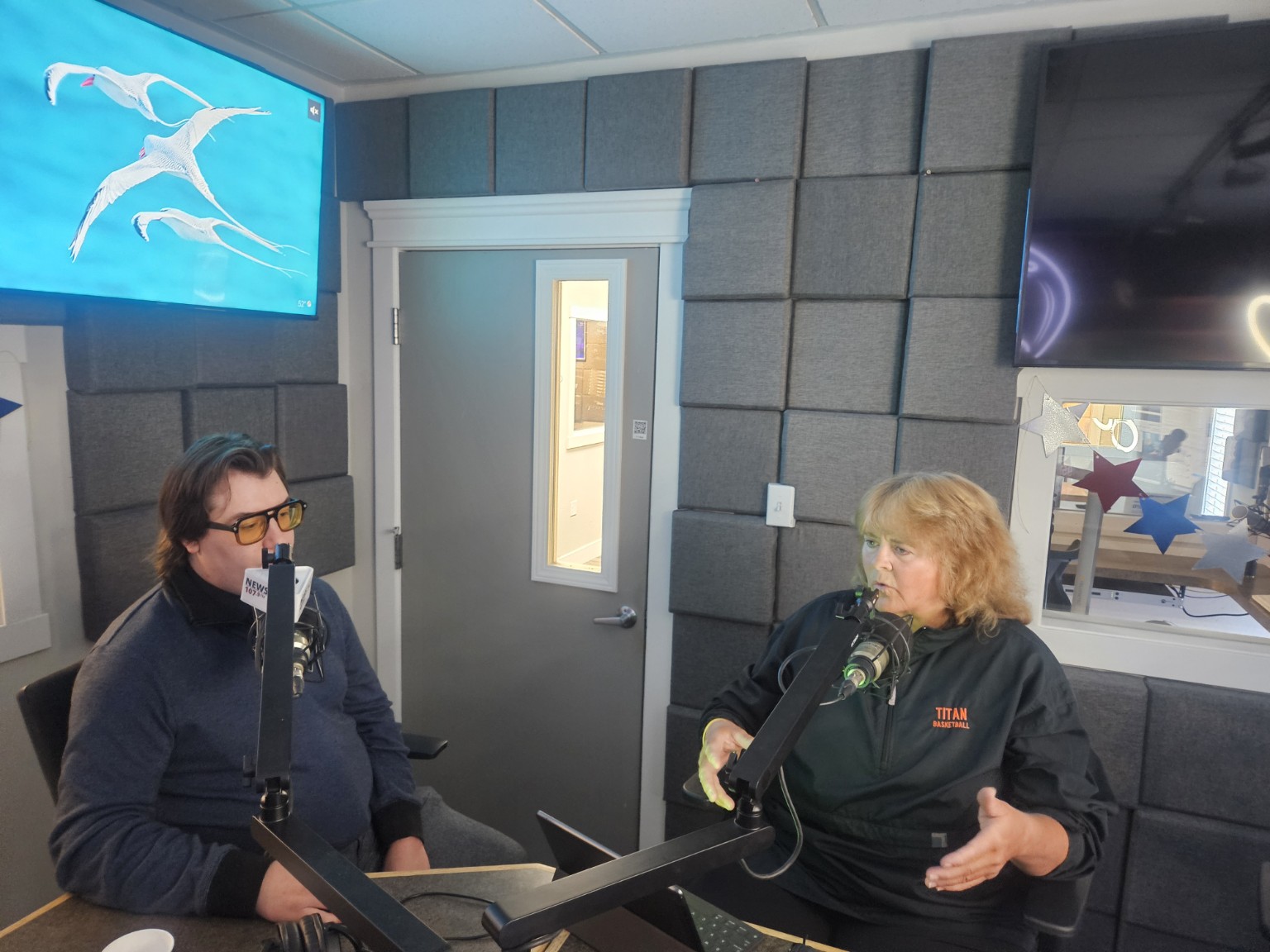
Incumbent Republican Representative Barb Ehardt and Democratic challenger Chance Marshall clashed over economic policies, education, and immigration during a live debate hosted by Neal Larson and Julie Mason on Newstalk 107.9. The candidates, vying for an Idaho House seat, highlighted a deep ideological divide on the state’s future direction.
Marshall, a 30-year-old project manager making his first run for public office, framed his campaign around working-class affordability. He argued that the Republican-led legislature has prioritized tax cuts for the top one percent. Conversely, Ehardt defended her legislative record, pointing to Idaho’s strong economic performance and property tax relief measures that reduced school levy burdens.
The debate grew contentious over state budget priorities. Marshall accused Republicans of cutting mental health funding to fund tax breaks for the wealthy, calling it a “reverse Robin Hood” redistribution of wealth. Ehardt countered that those initial cuts were proposed by the governor’s office prior to the legislative session and were subsequently restored by lawmakers as revenue streams improved.
Education funding and the state’s parental choice tax credit also divided the candidates. Marshall advocated for increased investment in public schools and opposed utilizing public funds for private school tax credits. Ehardt defended the state’s education investments, noting that funding has more than doubled during her tenure and arguing that school choice provides vital options for middle-class families.
On immigration, Marshall defended his past involvement in distributing “whistle kits” to notify communities of Immigration and Customs Enforcement (ICE) actions, arguing that immigrants are vital to the economy. Ehardt contended that illegal immigration suppresses local wages, particularly in the construction sector, and strains public school resources due to language barriers.
Finally, the candidates touched on social issues and Ehardt’s proposal to eliminate residential property taxes by raising the state sales tax from 6% to 7.75%. Marshall dismissed social issues as distraction points and stated he would have voted against Ehardt’s legislation restricting transgender athletes in women’s sports, while Ehardt emphasized the necessity of defending local communities and female athletes.