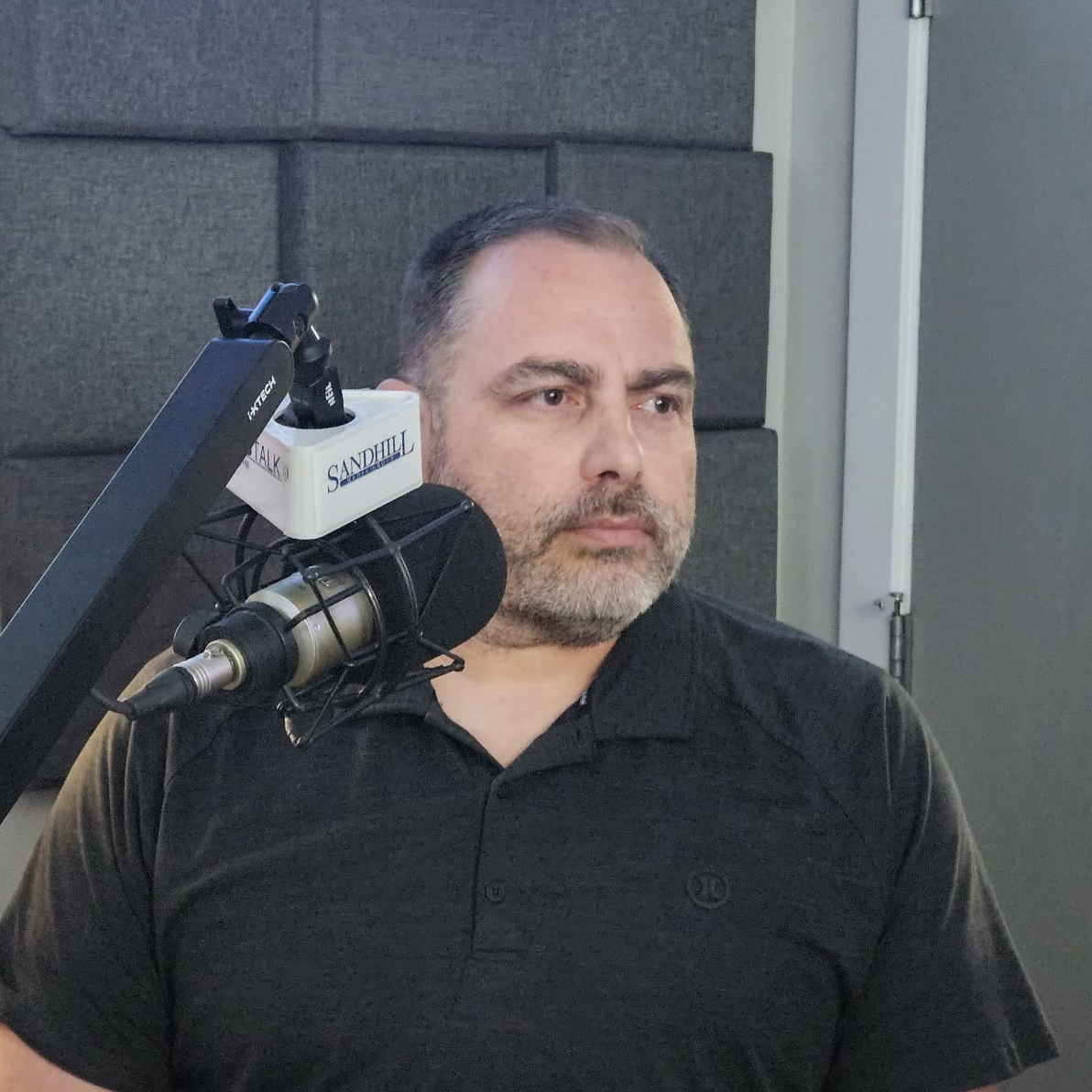
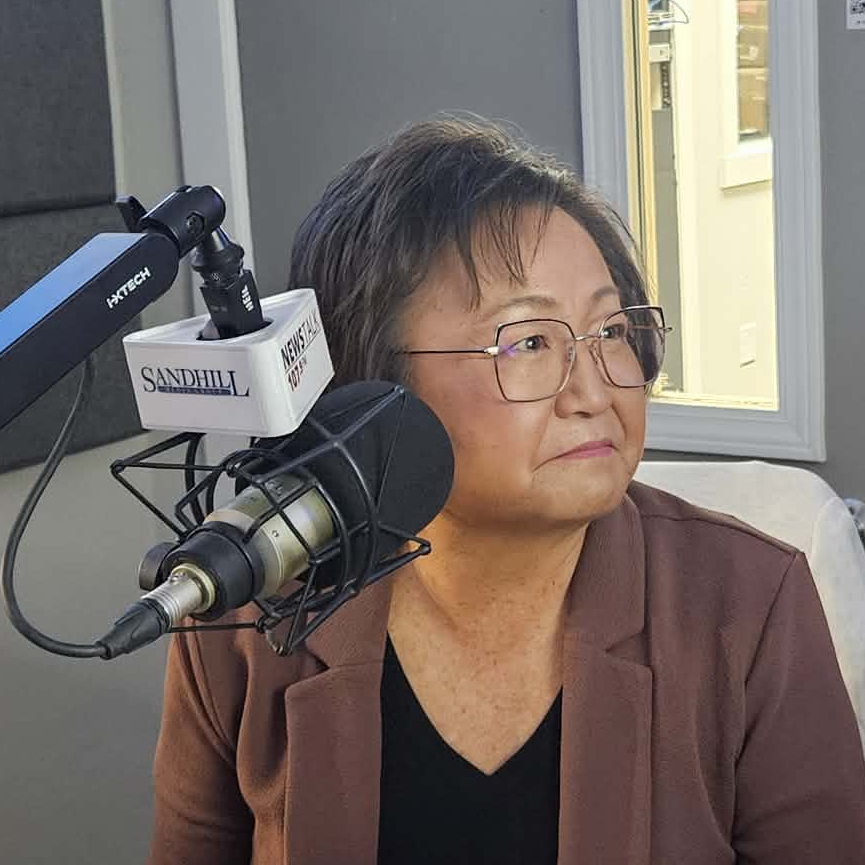
Idaho State Senator Julie Van Orden recently joined Neal Larson and Julie Mason on Newstalk 107.9 to reflect on the most recent legislative session and outline her priorities for the future. Van Orden characterized the session as one marked by significant procedural tension between the House and Senate, specifically noting “hot moments” where lawmakers used aggressive tactics to move stalled legislation during the final weeks of the term.
A primary focus of the interview involved legislative procedures, such as “radiator capping”—the process of replacing a bill’s contents to bypass a committee chair’s refusal to hear it. Van Orden expressed support for a potential rules change that would require any bill passing one chamber by a strong margin, such as 60%, to receive a committee hearing in the other chamber. She argued this would prevent lawmakers from relying on the opposite chamber to quietly kill bills they did not want to vote against openly, thereby encouraging more transparent voting in the first chamber.
Addressing regional agricultural concerns, Van Orden highlighted the critical water shortage currently affecting East Idaho. She noted that many farmers are making difficult operational decisions, including leaving land uncultivated and returning leases because the necessary water is unavailable. While acknowledging the economic hit to the region, she pointed to ongoing mitigation plans and long-term water storage discussions in Washington, D.C., as essential efforts to provide future stability for the state’s water users.
As Chair of the Health and Welfare Committee, Van Orden also detailed recent shifts in state Medicaid policy. She discussed House Bill 345, which focuses on cost containment through managed care and work requirements for expansion recipients. She explained a new three-month “look-back” period designed to verify employment status, framing Medicaid as a transitional support system. While some critics argue these changes are intended to undermine Medicaid expansion, Van Orden suggested the policies aim to refine eligibility and ensure the program’s long-term fiscal sustainability.
Van Orden concluded the interview by citing her experience in both the House and Senate as a key asset for her constituents in Bingham and Bonneville counties. She emphasized her commitment to navigating complex budgeting and policy issues to serve local interests.