Melanie Folwell
Credit: Headshot
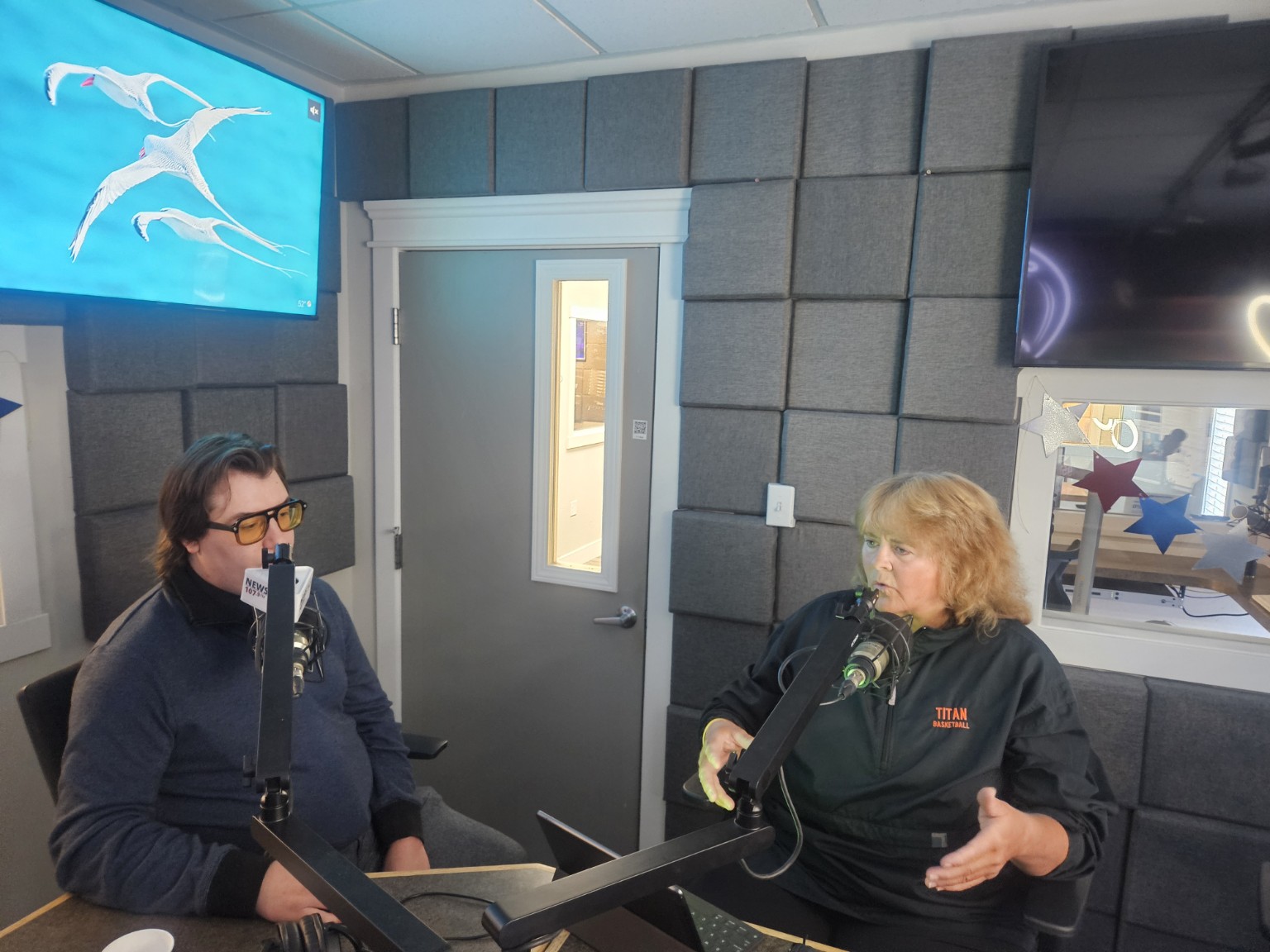
Melanie Folwell, a representative from Idahoans United for Women and Families, recently defended Proposition 1, a high-profile ballot initiative aimed at expanding abortion access in Idaho. Speaking in an interview on Newstalk 107.9 with hosts Neal Larson and Julie Mason, Folwell discussed the grassroots effort that secured the initiative’s spot on the November ballot, as well as the intense debates surrounding the measure’s legal definitions, parental consent, and out-of-state campaign contributions.
Proposition 1 represents a significant shift from Idaho’s current abortion laws, which are among the strictest in the nation. The state currently bans nearly all elective abortions. During the Newstalk 107.9 broadcast, the hosts suggested that Proposition 1 would swing Idaho from one of the most conservative states to one of the most permissive. Folwell pushed back on this characterization, arguing the measure would simply restore the state to its pre-Dobbs standard.
“That would be a standard that would change the criminalization of abortion up to fetal viability, and then past that only in cases of medical emergency,” Folwell said, noting that Idaho had operated under this standard for five decades prior to the 2022 trigger ban. She added that the initiative defines fetal viability based on the medical community’s standard of whether a fetus can survive outside the womb without “extraordinary medical measures.”
The conversation also touched on who would be permitted to perform abortions under the proposed law. Critics have raised concerns that the measure uses the term “licensed medical professional” rather than strictly requiring a medical doctor (MD) or doctor of osteopathic medicine (DO). Folwell explained that the definition of a healthcare provider is lifted directly from current Idaho statute. She emphasized that medical professionals, such as physician assistants and specialized nurse practitioners, can only practice within the scope of their state licenses.
A major point of contention during the interview was the issue of parental consent. The hosts questioned why Proposition 1 did not explicitly write protections for parental consent into its text, pointing to concerns that the initiative could make current parental consent laws obsolete. Folwell stated that the organization made a conscious decision not to alter Idaho’s existing parental consent laws, asserting that the right of parents to make medical decisions for their minor children remains legally robust. When asked if she would support the state legislature explicitly protecting parental consent in subsequent legislation if the initiative passes, Folwell responded, “We would all be completely fine with that.”
Regarding campaign finances, the hosts noted reports that the “Yes” committee had received significant out-of-state funding, with some reports indicating $1.8 million of the campaign’s $3.8 million came from outside Idaho. Folwell defended the campaign’s grassroots status, stating that the signatures were gathered by more than 1,200 local volunteers. She explained that while they recently accepted large national donations to counter a surge of funding on the opposition side, the vast majority of their individual contributions came from donors within Idaho.
Finally, Folwell addressed the ongoing debate regarding “life of the mother” versus “health of the mother” exceptions. She expressed skepticism that the Idaho Legislature would voluntarily resolve current medical uncertainties for doctors, citing a lack of legislative action over the past four sessions. Folwell argued that Proposition 1 provides a necessary, predictable standard to protect maternal health in complex medical situations.