
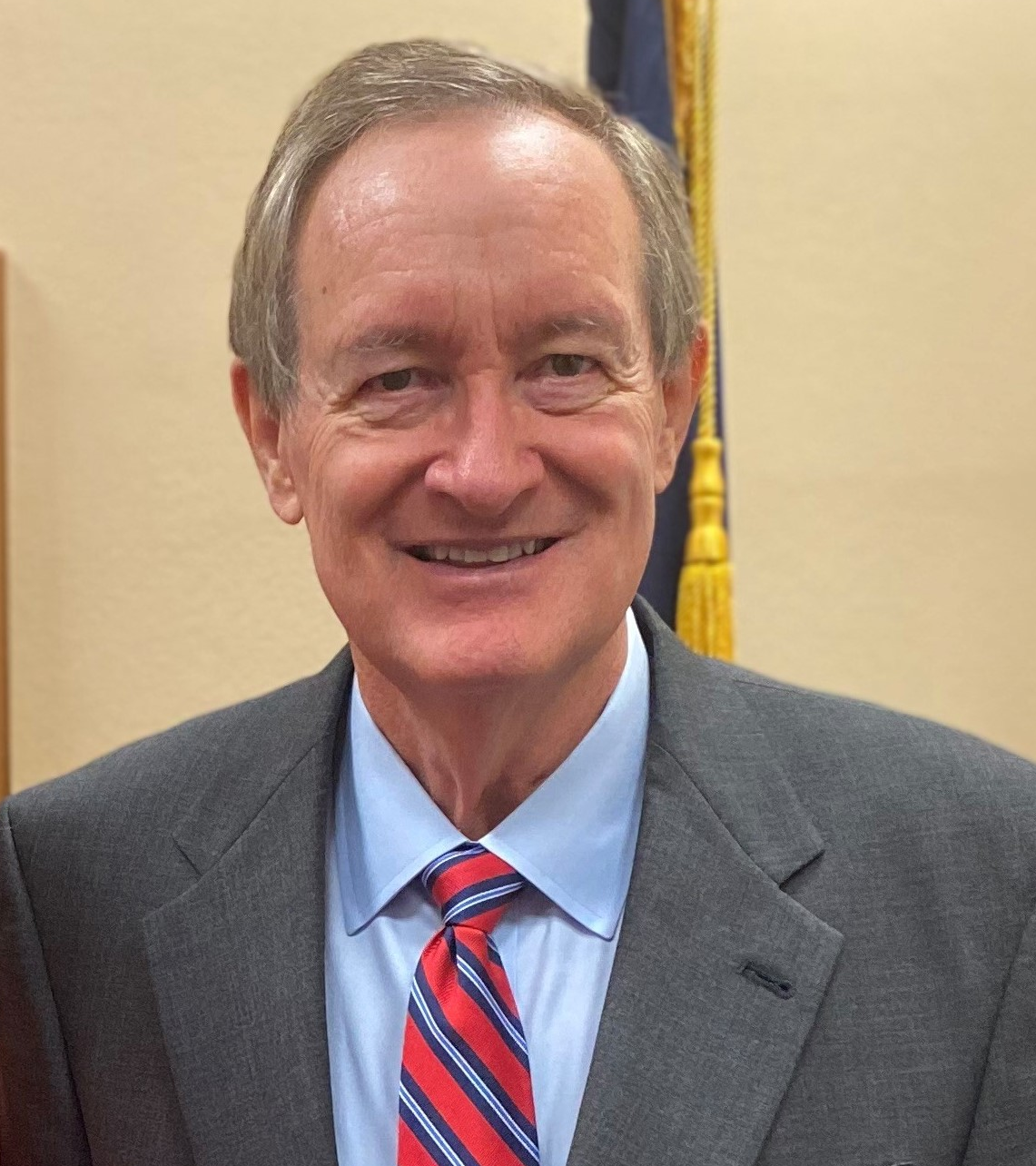
In a recent broadcast interview with Neal Larson and Julie Mason on Newstalk 107.9, U.S. Senator Mike Crapo (R-ID) detailed the current legislative focus in the Senate, highlighting the Republican-led SAVE Act and ongoing military operations in the Middle East. Crapo described the SAVE Act as a central priority, noting that while some lawmakers have discussed changing Senate filibuster procedures to pass the election package, there are currently insufficient votes to alter those rules. Instead, Republicans are moving forward with a strategy involving multiple amendments to keep the bill on the floor for debate.
According to Crapo, the proposed amendments to the bill include voter ID requirements, a ban on gender-transition surgeries for minors, and restrictions on mail-in voting. While noting that former President Trump has expressed a preference for eliminating mail-in voting entirely, Crapo defended Idaho’s specific mail-in system as “very safe and secure.” He argued that the primary goal of the Senate debate is to prohibit the broad distribution of unsolicited ballots, which he contends can lead to fraud and ballot harvesting across the country.
The Senator also addressed “Operation Epic Fury,” the U.S. military campaign against Iran that has been underway for over two weeks. Crapo expressed strong support for the strikes, stating that the U.S. has significantly degraded Iranian naval and air capabilities. However, he warned that Iran still possesses tens of thousands of drones that pose a continuing threat to the region. He emphasized the necessity of international cooperation, particularly from NATO allies, to secure the Strait of Hormuz and prevent Iran from disrupting global oil markets and maritime trade.
Regarding domestic and local concerns, Crapo touched on the upcoming midterm elections and Idaho-specific trade issues. He acknowledged that current polling reflects public dissatisfaction with federal immigration enforcement but maintained that Republican messaging on the border remains competitive. Additionally, Crapo highlighted a letter sent to the administration by more than 60 colleagues regarding Japanese trade restrictions. The effort seeks to ensure that Idaho potatoes and other specialty crops are prioritized in ongoing trade negotiations to reduce foreign barriers for American farmers.