
The Idaho Falls Zoo at Tautphaus Park officially opened its new “Islands” exhibit today, introducing a variety of new animal species, improved habitats, interactive learning opportunities, and an adventure-filled playground. Designed to engage visitors of all ages, the exhibit offers distinct discoveries throughout its layout, promising a richer experience for the community.
Among the new residents are the fossa, Madagascar’s largest carnivore and a unique mammal, and the nene (Hawaiian goose), recognized as the world’s rarest goose. The nene is expected to be on exhibit the week following the opening after completing standard veterinary procedures. Visitors can also encounter Madagascar hissing cockroaches, a rosy boa, and a ball python, with opportunities for close-up viewing and education on the unique environments they depend on.
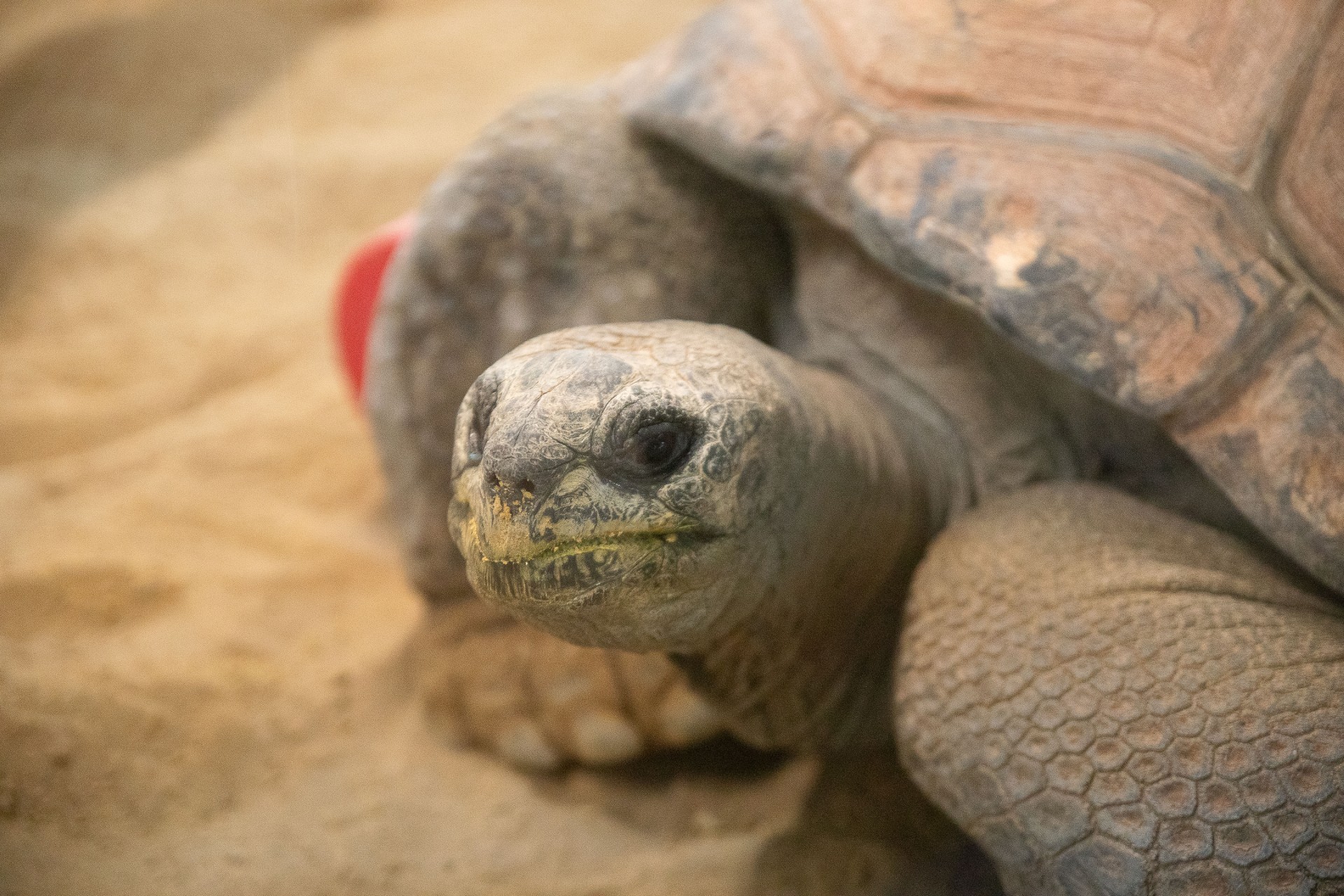
The “Islands” exhibit also enhances animal welfare by providing new and improved homes for several of the Zoo’s existing animals. Ring-tailed lemurs, collared lemurs, Omar the Aldabra tortoise, white-faced whistling ducks, and various African bird species have been relocated to the new area. These habitats are designed to support natural animal behaviors while offering guests new perspectives for observation. This relocation also frees up space in other parts of the Zoo, allowing for further welfare improvements for existing animals.
Idaho Falls Zoo Director David Pennock expressed enthusiasm for the opening, stating, “There are so many details to discover, from the animals and their habitats to the interactive experiences and playground. We think families are going to have a lot of fun exploring it and hopefully leave having learned something new.” The exhibit includes a new habitat playground featuring climbing, crawling, and balancing elements inspired by nature. Throughout “Islands,” interactive displays teach visitors about the four essential resources for animal habitats: food, water, shelter, and space, offering hands-on conservation experiences.
The creation of the “Islands” exhibit was a collaborative effort, made possible by the “extraordinary generosity of donors, sponsors and community partners,” according to zoo officials. Parks and Recreation Director PJ Holm commented, “This is a tremendous example of what our Zoo can accomplish when our community comes together to invest in something that benefits families, education and conservation.” The exhibit is now open and included with regular Zoo admission, inviting the public to explore the new offerings and learn about wildlife.