INTERVIEW: Mayor Lisa Burtenshaw Infrastructure and P&Z">INTERVIEW: Mayor Lisa Burtenshaw Infrastructure and P&Z

INTERVIEW: Mayor Lisa Burtenshaw Infrastructure and P&Z">

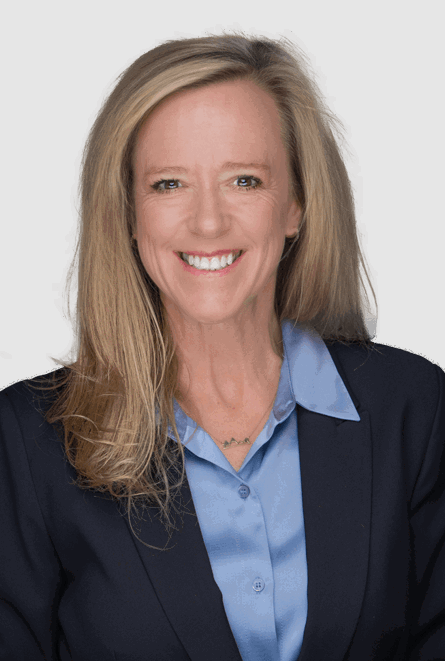
In a recent interview on Newstalk 107.9 with hosts Neal Larson and Julie Mason, Idaho Falls Mayor Lisa Burtenshaw detailed the city’s strategy for the upcoming construction season and addressed concerns regarding state-level zoning legislation. Burtenshaw emphasized that the city’s Public Works department is prioritizing regional coordination to ensure that essential road projects do not simultaneously close all major east-west or north-south travel corridors.

The Mayor highlighted several key infrastructure projects, including a planned roundabout at Boulevard and D Street near the Aquatic Center. To minimize disruptions for residents and visitors, construction on that project is scheduled to begin after the Fourth of July holiday. Burtenshaw noted that while maintenance activities like chip sealing are often unpopular with drivers due to loose gravel, they remain a cost-effective necessity for road preservation. She also explained that certain projects on St. Clair, John Adams, and First Street were delayed to better coordinate with Bonneville County and the city of Ammon.

Addressing public transparency, Burtenshaw pointed to a new online tool hosted under Community Development Services. This resource allows residents to view site plans for both public and private developments throughout Idaho Falls. During the interview, she also addressed local retail rumors, confirming that while a new Chick-fil-A and Raising Cane’s are planned for the city, there is currently no Trader Joe’s in the pipeline.

A significant portion of the discussion focused on Burtenshaw’s opposition to proposed state legislation that would limit local authority over planning and zoning. The bills aim to increase housing density by allowing tiny homes or additional units on existing lots. However, Burtenshaw argued that such changes could overwhelm existing infrastructure, such as water pressure, sewer, and stormwater systems, which were engineered for specific neighborhood densities. She suggested that the housing market’s primary gap is a lack of simple, entry-level homes for first-time buyers rather than a lack of high-density options.

The interview concluded with an update on regional traffic management. Burtenshaw announced an agreement with Ammon, the Idaho Transportation Department, and Bonneville County to synchronize traffic signals across jurisdictional lines. This unified system is currently optimized for morning and evening rush hours, with plans to expand coordination as regional traffic continues to grow.
3.30.3036 – No Kings Protests, Bathroom Bill, Confirmation Bias">3.30.3036 – No Kings Protests, Bathroom Bill, Confirmation Bias

3.30.3036 – No Kings Protests, Bathroom Bill, Confirmation Bias">

Send us Fan Mail

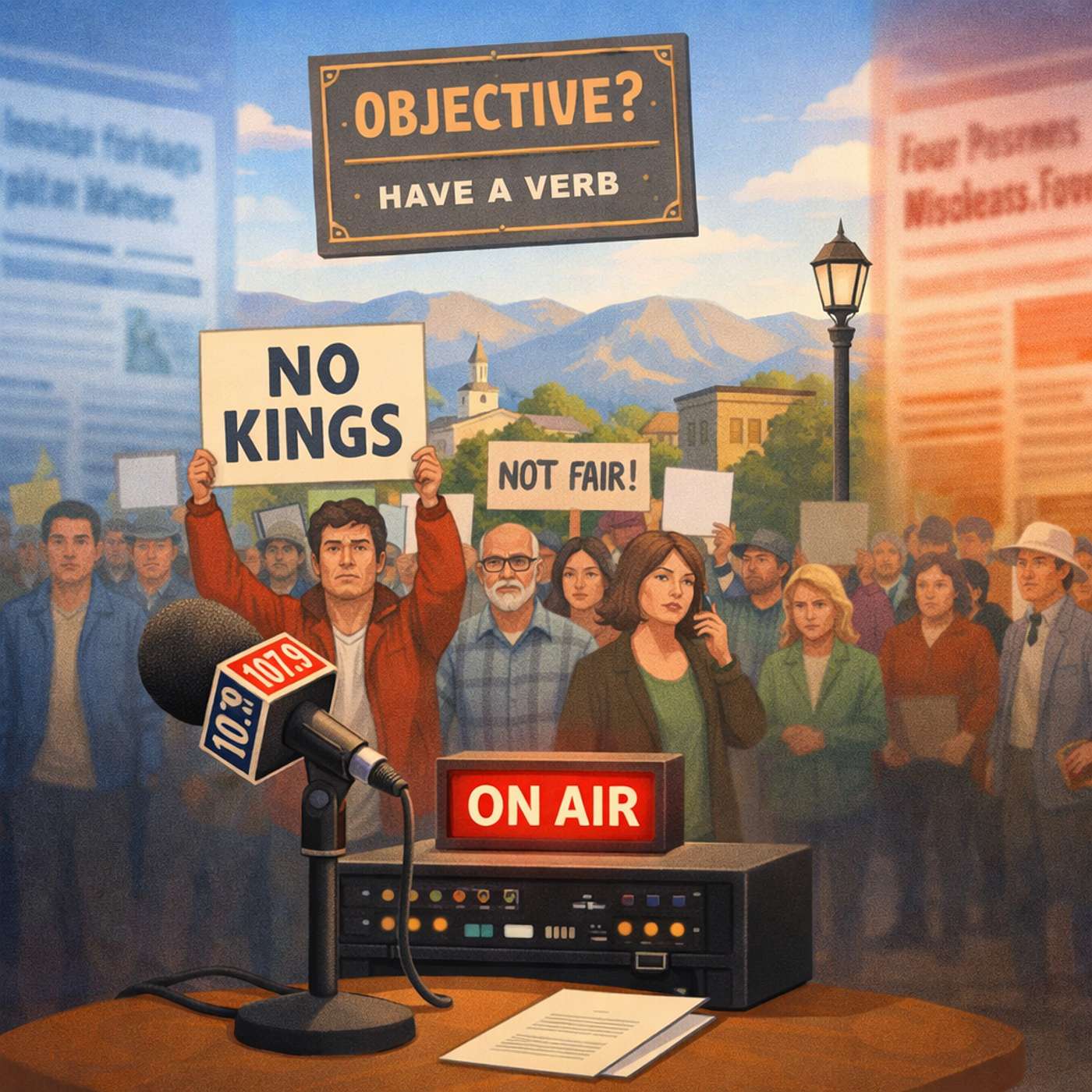
Neal Larson and Julie Mason kicked off the week sizing up a busy weekend in East Idaho—especially the “No Kings” protests—and the bigger point they kept coming back to was this: if you’re going to rally, at least be clear about what you’re trying to accomplish. Neal argued that “No Kings” functions more like a shared expression of anger than an actionable goal, and that without a concrete objective (a real verb, not “raise awareness”), these events don’t move policy and won’t hold up historically. Julie largely agreed, adding that she’s fine with people gathering, but she wishes both protesters and the media covering them would be more genuine and transparent about motivations and bias.

From there, they pivoted into a few of the big narratives driving Idaho and national politics right now: the legislature limping toward sine die and immediately into campaign season, a heated debate over the bathroom/“women’s spaces” bill (with Julie speaking bluntly about women’s safety and how females already change their behavior in public to stay safe), and the broader problem of confirmation bias—how people instantly accept what they like and dismiss what they don’t. They also touched on questions around Ukraine funding and media silence, Democrats’ push to defund/hamstring ICE while claiming otherwise, and a larger frustration with political extremes: neither sanctifying nor demonizing Trump, but resisting the “rage spiral” that keeps people locked into one narrative. Along the way, there was a lighter thread too—Neil’s NCAA bracket somehow sitting near the top nationally—and a candid wrap on grocery and gas sticker shock.

**Highlights**
– “No Kings” protests: big crowds, but unclear objectives; “have a verb” was the recurring challenge  
– Bathroom bill debate: women’s safety vs. trans enforcement complications; Julie’s personal safety perspective  
– Confirmation bias and “rage spirals”: be skeptical of what you like, give what you dislike a chance to be true  
– Immigration politics: Democrats blocking DHS/targeting ICE; discussion of apportionment incentives  
– Idaho session + budgets: frustration with “doomsday” reactions to modest cuts and sacred-cow treatment of K-12 funding

Let’s talk advertising. When you want to advertise on the radio, you call the station, right? But what about Facebook, Instagram, Hulu, Disney+, Peacock, and other streaming platforms?

You could try clicking around, reading books, or taking online courses to figure it out—or you can let us handle it. At Sandhill Media Group, we’re your local experts in both radio and digital marketing.

Visit SandhillMediaGroup.com today.

Read More

3.31.2026 – Parental Transparency, Attorney General Power, Culture & Family">3.31.2026 – Parental Transparency, Attorney General Power, Culture & Family

3.31.2026 – Parental Transparency, Attorney General Power, Culture & Family">

Send us Fan Mail

Today we worked through a packed slate of Idaho policy and a few national flashpoints, with the big focus on the Senate moving bills that have been stuck in the pipeline. We dug into House Bill 822—framed as closing a loophole in Idaho’s vulnerable child protections—aimed at preventing schools, counselors, and health care professionals from keeping a child’s social transition secret from parents. Neal argued this shouldn’t even need to be legislation, but said the cultural reality is forcing the issue. We also played competing perspectives, including Senator Jim Guthrie’s concerns about implementation details (like who decides what “doesn’t correspond” with a child’s sex, and what happens if parents can’t be reached within the bill’s timelines). Bottom line: the show drew a hard line against non-parents keeping significant secrets from parents, while still acknowledging edge cases and the need for clean, workable language.

From there we shifted to two other pressure-point debates: an “ICE/sheriff” approach that felt more vinegar than honey, and a civil enforcement proposal that would give the Idaho Attorney General a mechanism to enforce laws that don’t have built-in penalties (with worries about constitutional issues, weaponization, and whether voters—not the AG—should ultimately “hire and fire” elected officials). We also touched on party cohesion scores (PCI), primary race dynamics in East Idaho, and wrapped with a cultural segment reacting to *The View* melting down over a pro-marriage/pro-kids CPAC message—where we defended the value of family, motherhood, fatherhood, and the idea that not every part of life needs to be filtered through guilt, grievance, or political spite.

### Highlights
– Why Idaho is debating a bill that says schools can’t hide a child’s social transition from parents—and what “transparency” should look like in practice  
– Civil enforcement bill: helpful tool for laws with “no teeth,” or a power that could be abused by a future Attorney General?  
– Primary races + PCI gaps: why some incumbents look vulnerable, and why some challengers may not have enough runway  
– Culture talk: *The View* clip, the left’s framing of motherhood, and why family is still the centerpiece for a lot of us  
– National side notes: Supreme Court watch, shutdown politics, and frustration with using public pain as leverage

Let’s talk advertising. When you want to advertise on the radio, you call the station, right? But what about Facebook, Instagram, Hulu, Disney+, Peacock, and other streaming platforms?

You could try clicking around, reading books, or taking online courses to figure it out—or you can let us handle it. At Sandhill Media Group, we’re your local experts in both radio and digital marketing.

Visit SandhillMediaGroup.com today.

Read More

4.1.2026 – INTERVIEW: Rep. Mike Simpson, SCOTUS hears Birthright Citizenship, DHS, SAVE Act">4.1.2026 – INTERVIEW: Rep. Mike Simpson, SCOTUS hears Birthright Citizenship, DHS, SAVE Act

4.1.2026 – INTERVIEW: Rep. Mike Simpson, SCOTUS hears Birthright Citizenship, DHS, SAVE Act">

Send us Fan Mail

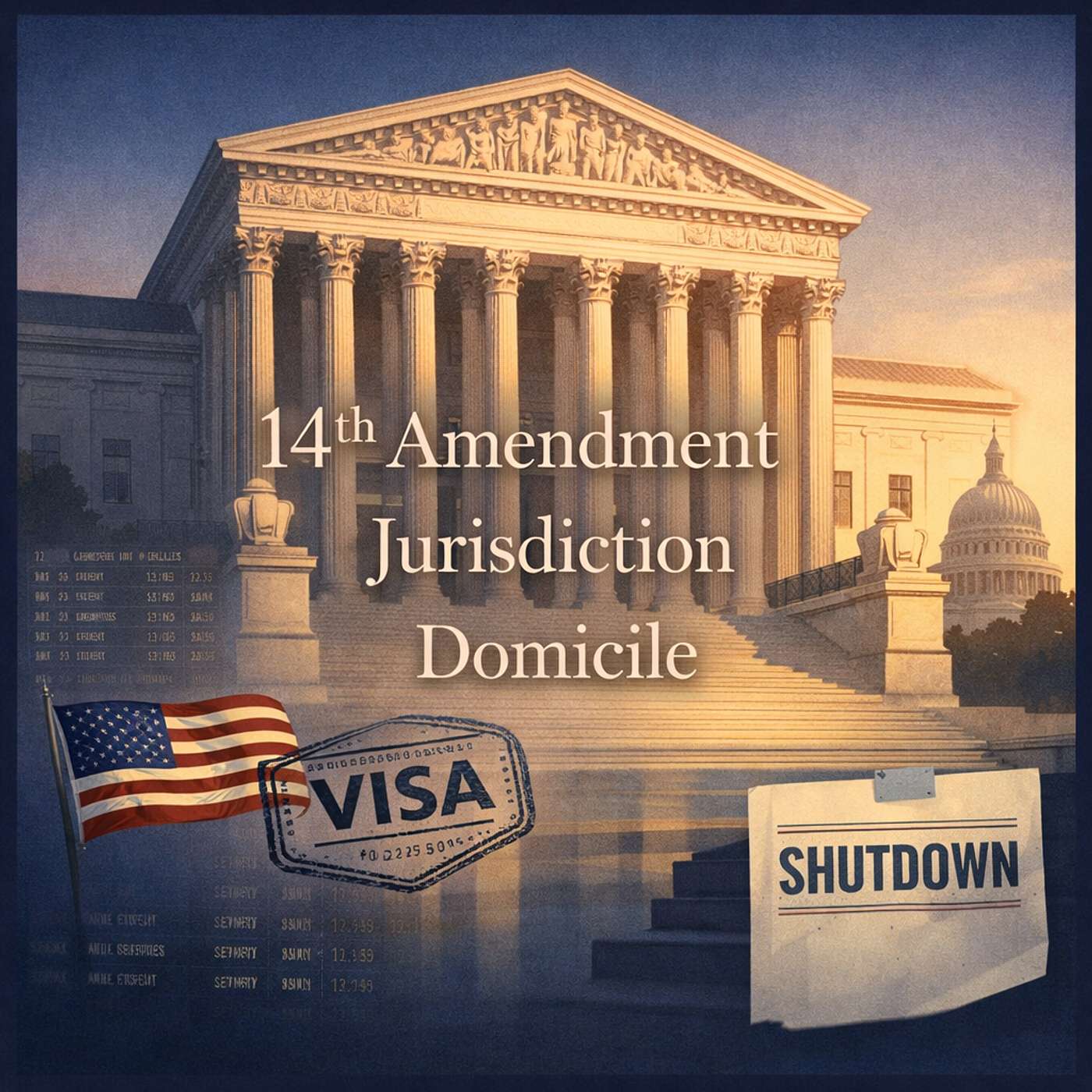
This episode was a whirlwind look at two big, very “right now” stories: the Supreme Court’s oral arguments on birthright citizenship (with President Donald Trump in the chamber) and the ongoing partial government shutdown centered on DHS funding. We listened in as U.S. Solicitor General John Sauer laid out the administration’s argument that “subject to the jurisdiction” in the 14th Amendment should be read through an allegiance/domicile lens—meaning not everyone born on U.S. soil would automatically qualify for citizenship if their parents were here temporarily or unlawfully. The justices pressed hard from multiple angles: whether the text supports Sauer’s “domicile” framework, how much weight to give the post–Civil War legislative record, what to do with *Wong Kim Ark*, and whether modern realities like illegal immigration and “birth tourism” should matter to constitutional interpretation. Neal Larson and Julie Mason talked through the tone of the questioning (friendly moments from Alito, skepticism from others like Gorsuch and Kagan), and the real possibility that the Court could try to thread a needle with a narrower or prospective-only ruling rather than detonating a century-plus of assumptions.

In hour two, Congressman Mike Simpson joined Julie and Neal in studio and didn’t mince words about the shutdown dynamics—arguing the Senate’s move effectively “defunded” parts of ICE/CBP, boxed the House in, and handed Democrats a win on process. He pushed reconciliation as the cleanest exit ramp, criticized the filibuster as a self-inflicted Senate problem, and tied the immigration fight to bigger issues like apportionment, sanctuary jurisdictions, E-Verify sequencing, and what he described as massive fraud in government programs. The conversation also hit the SAVE Act and voter ID, how party incentives shape immigration enforcement, and ended with Simpson’s take on Iran, Democrats’ posture toward anything Trump touches, and what the economy and political landscape might look like by November.

**Highlights**
– Supreme Court hears birthright citizenship case with President Donald Trump attending; Sauer argues “jurisdiction” means allegiance tied to lawful domicile.  
– Justices clash over text vs. history vs. precedent (*Wong Kim Ark*), plus modern pressures like illegal immigration and “birth tourism.”  
– Neal Larson and Julie Mason debate whether tough questioning (especially from Neil Gorsuch) signals opposition—or just stress-testing.  
– Congressman Mike Simpson blames Senate Democrats/leadership dynamics for the DHS shutdown mess; says reconciliation is the only realistic path.  
– SAVE Act, voter ID, census/apportionment, sanctuary cities, E-Verify, and government fraud all folded into one bigger incentives-and-power conversation.

Let’s talk advertising. When you want to advertise on the radio, you call the station, right? But what about Facebook, Instagram, Hulu, Disney+, Peacock, and other streaming platforms?

You could try clicking around, reading books, or taking online courses to figure it out—or you can let us handle it. At Sandhill Media Group, we’re your local experts in both radio and digital marketing.

Visit SandhillMediaGroup.com today.

Read More

scroll to top