3 Idaho Falls figure skaters carve a path to a national competition">3 Idaho Falls figure skaters carve a path to a national competition

3 Idaho Falls figure skaters carve a path to a national competition">
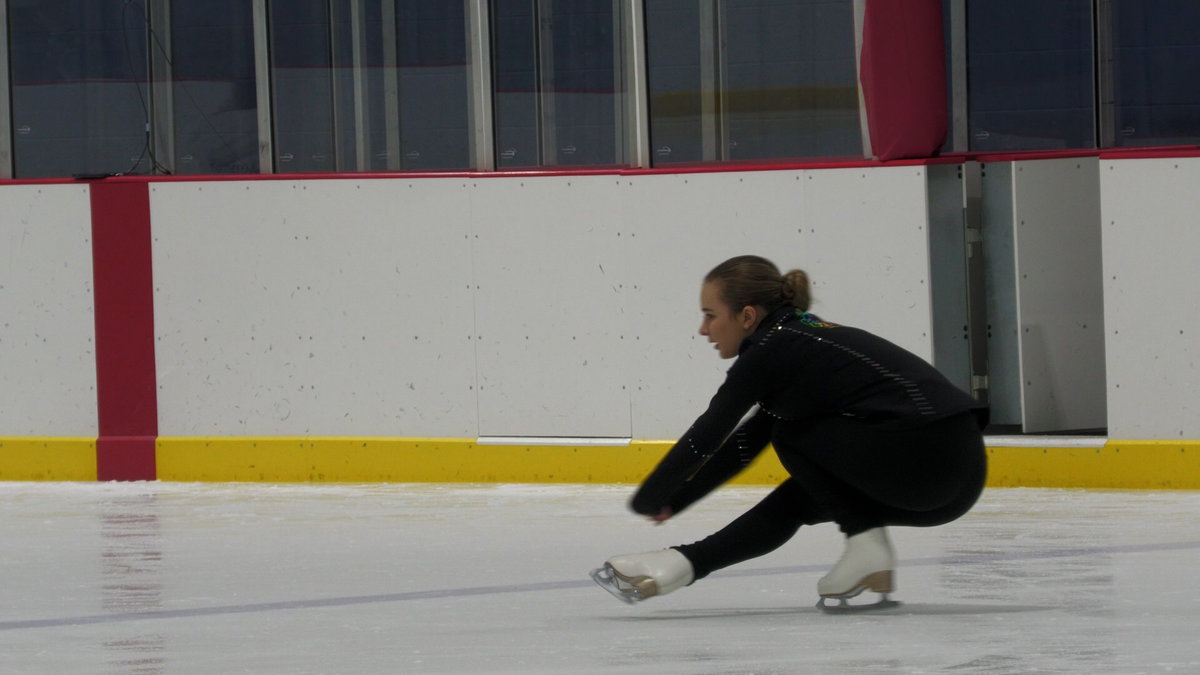
Sydz-Kydz-of-Idaho-Falls heads to state games of America figure skating competition

REXBURG, Idaho (KIFI) — For years, competitive figure skaters in eastern Idaho faced a challenge many athletes never have to think about: finding a place to practice.

But that didn’t stop a determined coach and a group of dedicated athletes. So much so that three Idaho Falls teenagers — Alexis Lee-Maes, Kinlee Preussner and Lexee Yanex — are now headed to one of the country’s biggest amateur sporting events.

From Idaho to the State Games of America

The three skaters qualified for the State Games of America, an Olympic-style competition featuring some of the nation’s best amateur athletes.

Fifteen-year-old figure skater Alexis Lee-Maes is excited. “I’m really excited. This is something I’ve always wanted to do.”

The trio will represent Idaho against about 1,400 figure skaters from across the country. The event is unique because it features not only figure skating, but many of the sports found in both the Summer and Winter Olympics, complete with opening ceremonies and more than 14,000 athletes.

Searching for year-round ice

Getting there looked a little different than it does for many of their competitors.

The Idaho Falls rink closes from spring until October, so the athletes drive two hours each way to Logan, Utah, several times a week during the offseason just to find year-round ice.

Their coach, Sydnee Nethery, remembers those sacrifices.

“There have been times that we’ve left our camper in the parking lot and lived in the parking lot.”

Now, they’re training much closer to home thanks to the recent opening of the year-round Neutral Zone in Rexburg.

A coach who knows the journey

It’s a journey Nethery understands firsthand.

As a competitive skater, she spent weeks at a time living with coaches in Utah so she could continue training. Now, she’s worked to build something different for the next generation.

“I fought really hard to be able to do it,” Nethery said. “It’s not super accessible here, but I’ve done everything that I can to get these kids on the ice.”

That dedication has helped produce not only high-caliber athletes, but also resilient young women who aren’t afraid of falling, either in the sport or in life.

Her daughter, 12-year-old figure skater Kinlee Preussner, said everyone fears falling at first.

“We know that falling is a part of the sport. So we have to get past it.”

More than a sport: Learning to express emotion

Figure skating demands athleticism, but it also asks athletes to be vulnerable. Under the spotlight, they have to let their emotions shine through their facial expressions and movements.

Fourteen-year-old Lexee Yanex said that’s one of the things she enjoys most about skating.

“I can bring out some major emotion that I don’t think I could off the ice.”

Kinlee agrees.

“It’s a way for you to express your emotions through movement, which is a really good way to not put it on other people.”

Lessons that last beyond competition

Unlike many sports, there isn’t a referee telling skaters what went wrong in the moment.

“There’s an entire learning curve that comes with being in an individual artistic sport,” Nethery said. “We don’t have referees out there blowing whistles if we’ve done something wrong. We have to learn that after the score sheet comes out, and sometimes that’s a really hard lesson.”

Those lessons don’t just build better skaters. They build confident adults.

Nethery believes the experience will benefit them long after their competitive careers end.

“They’re going to be able to walk into a boardroom one day and lead a meeting because they’ve been performing for years and years of their life,” she said. “They don’t have to walk in feeling nervous or timid or shy — they’ve already worked through that.”

From long drives across state lines to representing Idaho on a national stage, this trio is proving that sometimes the hardest path helps you find your footing.

A sport that changed one skater’s life

For Alexis, the benefits of figure skating have gone far beyond competition.

Alexis has cerebral palsy. Doctors encouraged her family to keep her skating because of the positive effects it was having on her body.

“They told her time and time again, ‘Please don’t quit the figure skating because the figure skating is what’s helping you improve,'” Nethery said.

She said Alexis eventually no longer needed regular neurology appointments.

“She graduated from having to go to her neurology appointments consistently, and they attributed it to the figure skating.”

As the three skaters prepare to represent Idaho on the national stage, their story is about much more than medals. It’s about perseverance, sacrifice and the opportunities that come from refusing to let obstacles stand in the way.

To follow their journey at the State Games of America, visit Syd’z Kydz of Idaho Falls on Facebook.
Sen Mike Crapo Outlines National Security and Energy Priorities">Sen Mike Crapo Outlines National Security and Energy Priorities

Sen Mike Crapo Outlines National Security and Energy Priorities">

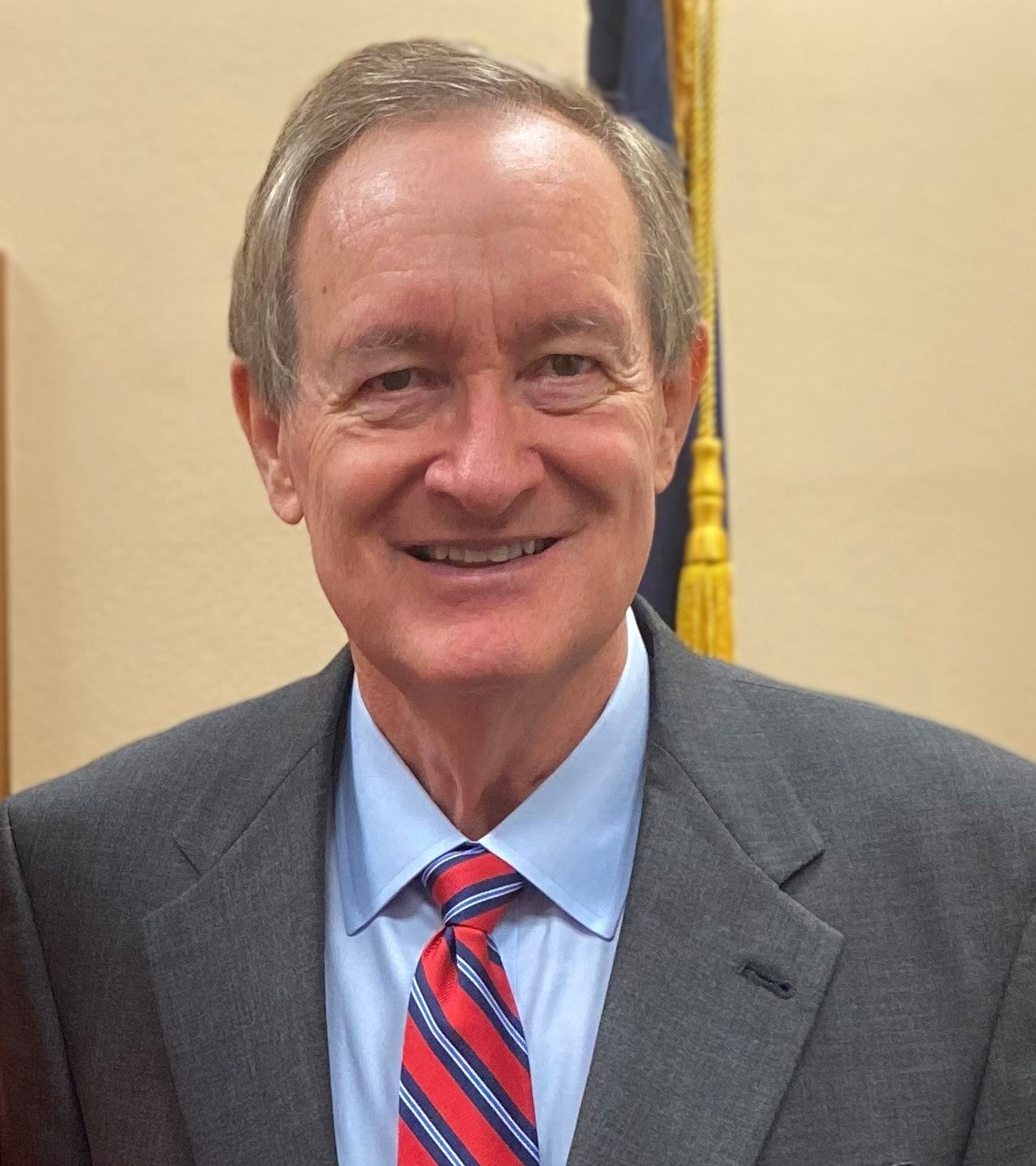
In a recent interview on Newstalk 107.9 with hosts Neal Larson and Julie Mason, U.S. Senator Mike Crapo (R-ID) detailed the current legislative landscape in Washington, D.C., highlighting significant gridlock alongside new initiatives for national security and energy research. Crapo noted that critical measures, including the National Defense Authorization Act (NDAA) and various appropriations bills, remain stalled due to ongoing partisan disagreements over floor time and policy provisions.

Crapo addressed the “Save Act” and potential grants for state election security. While he expressed support for election integrity benchmarks, he warned that passing such measures through the Senate’s reconciliation process would be difficult due to complex procedural rules. He also reacted to recent reports regarding foreign interference in domestic elections, stating it was “not a surprise” that intelligence agencies had confirmed meddling by China and Russia. Crapo emphasized that such information should never be withheld from the president or the American public.

Regarding military operations, Crapo discussed the funding of U.S. forces currently engaged in conflicts involving Iran. He suggested that if Congress fails to authorize spending through the NDAA or appropriations, the president might eventually be forced to declare a national emergency to ensure national security remains funded through the bond market. Additionally, Crapo highlighted a bipartisan legislative effort with Florida Senator Ashley Moody to regulate the importation of pill presses and precursor chemicals. This measure aims to curb the domestic manufacture of illicit fentanyl by enhancing the government’s ability to identify and interdict manufacturing equipment at the border.

On the local front, Crapo confirmed that the Idaho National Laboratory (INL) will play a leading role in a newly designated nuclear tech hub. Supported by a $31 million grant, the initiative seeks to connect federal labs and private sector companies to advance nuclear research. While acknowledging that neighboring states like Utah are also promoting nuclear expansion, Crapo characterized the regional growth as a partnership rather than a competition, noting that the INL would serve as a lead institution in strengthening the nation’s nuclear production capabilities.

MSPC: Chris Cargill on Ed Tax Credit cap, legislative session">MSPC: Chris Cargill on Ed Tax Credit cap, legislative session

MSPC: Chris Cargill on Ed Tax Credit cap, legislative session">

The Idaho Parental Choice Tax Credit has reached its participation cap weeks ahead of the official deadline, with 12,497 students currently enrolled in the program. Chris Cargill, president of the Mountain States Policy Center, shared these figures during an interview on Newstalk 107.9 with hosts Neal Larson and Julie Mason, noting that the enrollment volume effectively represents the fifth-largest school district in the state.

According to Cargill, the program’s application window was reopened in May after initial funds remained available. He attributed this surplus to participating parents requesting only the specific amounts needed for their educational expenses rather than the full $5,000 maximum allowed under the law. This responsible use of funds allowed additional families to access the program before the $50 million state cap was reached.

Cargill addressed common criticisms of the program, specifically regarding its impact on the state budget and its demographic reach. He argued that the tax credit provides a financial benefit to the state treasury, as the $5,000 credit is several thousand dollars less than the $8,000 to $9,000 typically spent per student in the public K-12 system. Furthermore, he challenged the perception that the credit only benefits high-income earners, stating that median household incomes for participants in similar programs elsewhere usually fall between $60,000 and $80,000 annually.

Looking toward the future, Cargill indicated that while the demand for the program is high, legislative expansion may face significant hurdles. He suggested that the 2027 legislature might revisit the program, but predicted the debate would be as contentious as the initial passage of the bill. Beyond tax credits, Cargill noted that upcoming legislative sessions will likely address Idaho’s education funding formula, which has not been updated since the 1990s, as well as ongoing discussions regarding property tax reform.

The Mountain States Policy Center will host a policy luncheon on Thursday, October 8, in Idaho Falls to discuss these topics further. The event is scheduled to feature Idaho Attorney General Raul Labrador as a guest speaker. The organization continues to monitor participation data as a benchmark for future policy recommendations.

7.21.2026 – Republican Unity Tests | Abortion Messaging Fight | Media-Driven Leftward Shift">7.21.2026 – Republican Unity Tests | Abortion Messaging Fight | Media-Driven Leftward Shift

7.21.2026 – Republican Unity Tests | Abortion Messaging Fight | Media-Driven Leftward Shift">

Send us Fan Mail

Neal and Julie bounced between politics, public culture, and a surprisingly sticky public-health story, with Neal opening on what he sees as a familiar Democratic Party problem: letting the far-left “drive the bus,” even as Republicans struggle with unity and factional infighting. The conversation widened into how modern media environments can shift people’s values and voting behavior—especially around abortion and LGBTQ issues—along with Neal’s warning that pro-life messaging can’t let “privacy” framing obscure what’s actually at stake. The show wrapped with concern that some local GOP organizations may be slow-footing clear public organizing against Idaho’s abortion-related ballot push, which Neal argued should be an all-hands priority.

Along the way, they detoured into local Idaho Falls traffic developments and a spirited listener back-and-forth about zipper merges and roundabouts, plus a handful of lighter moments (including Neal’s family prank “for rectal use only” stickers and a throwback to the Howard Dean scream). In hour two, they dug into the cyclospora/Taylor Farms/Taco Bell scare and the whiplash of a reported false positive—prompting listeners to call and share how it changed their behavior (and one memorable call describing a brutal two-week illness). The episode also hit national headlines: skepticism about DHS leadership missteps and business-lobby pressures on immigration enforcement, a reality-check on NYC Mayor Zohran Mamdani’s rhetoric about arresting Benjamin Netanyahu, and renewed attention to far-left influencer Hasan Piker praising Mao—underscoring a recurring theme that extremes often skate by without real accountability.

## 2. Highlights

– Neal’s blunt take on party unity: unity matters, but not if it means “unifying around mushiness” or abandoning core principles.  
– A candid discussion of shifting religious/political identity—why Neal thinks social media’s nonstop messaging is reshaping views on abortion and culture issues.  
– A long, surprisingly compelling cyclospora segment: reported false positive fallout, Taco Bell traffic drops, and a listener describing a two-week sickness and 10-pound weight loss.  
– Idaho Falls traffic talk goes viral on the text line: zipper merges, roundabouts, and why “beating six cars” rarely saves real time.  
– Neal and Julie question whether DHS leadership is ready for prime time, especially under pressure from business groups seeking illegal-labor workarounds.  
– A pointed critique of political grandstanding: Mamdani’s “arrest Netanyahu” talk gets dismantled as legally unserious—and symptomatic of authoritarian instincts.

Let’s talk advertising. When you want to advertise on the radio, you call the station, right? But what about Facebook, Instagram, Hulu, Disney+, Peacock, and other streaming platforms?

You could try clicking around, reading books, or taking online courses to figure it out—or you can let us handle it. At Sandhill Media Group, we’re your local experts in both radio and digital marketing.

Visit SandhillMediaGroup.com today.

Read More

scroll to top