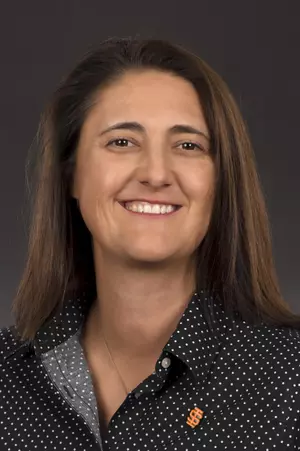
Idaho State University Athletic Director Pauline Thiros highlighted the growing complexities of Name, Image, and Likeness (NIL) and the transfer portal during a recent interview on Newstalk 107.9. Speaking with hosts Neal Larson and Julie Mason, Thiros discussed the “unprecedented” impact these changes have had on mid-major programs, particularly those within the Big Sky Conference.
Thiros noted that while she supports the principle of revenue sharing for student-athletes, the massive financial investments made by “Power Four” schools have created a challenging environment for schools like Idaho State. A primary frustration for administrators and fans alike is “roster churn,” a trend where successful players often transfer to larger programs after achieving conference honors or MVP status. Thiros expressed support for potential federal intervention or executive orders that could help limit this turnover and stabilize rosters.
The athletic director also raised concerns regarding the academic future of athletes who transfer frequently. According to Thiros, while the NCAA requires progress toward a degree, constant movement often results in the loss of transferable credits. This trend frequently forces students into general or interdisciplinary studies rather than the specialized fields they initially pursued, which she suggested could disadvantage them in their professional lives after sports.
Regarding the current state of NIL, Thiros argued that the system has drifted from its original intent. She stated that NIL should ideally function like a professional job where students build a personal brand and provide value to businesses. Instead, she observed that many “collectives” are now focusing on “pay for play” models, where athletes receive significant distributions without equivalent community engagement or brand-building labor.
Despite these national challenges, Thiros emphasized that Idaho State University is finding success by focusing on local talent and infrastructure. Nearly 40% of the university’s student-athletes are Idaho natives, and the department is moving forward with significant facility renovations, including a new sports performance complex and updates to the ICCU Dome. Thiros confirmed the program is entering the “revenue sharing era” with a focus on sustainable, responsible contracts that prioritize the long-term success of the athletes.