WATCH FULL DEBATE VIDEO BELOW
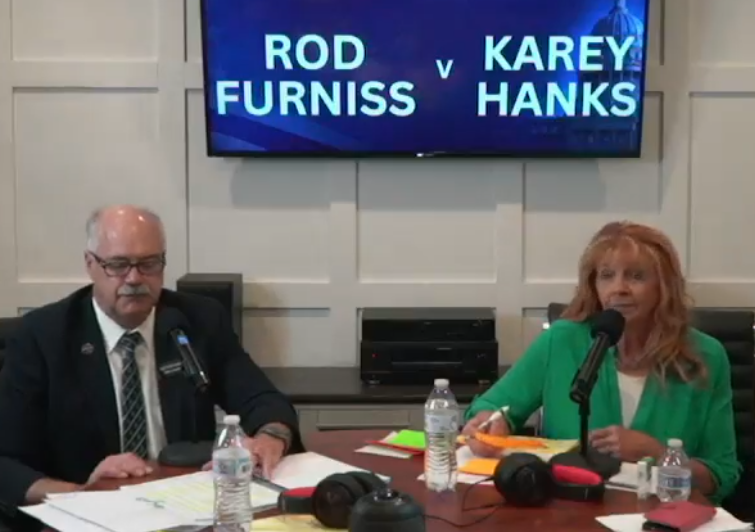
Incumbent Rep. Rod Furniss and former Rep. Karey Hanks squared off in a spirited rematch debate on News Talk 107.9, clashing over immigration enforcement, school choice, state spending and the influence of outside groups in Idaho’s Republican politics ahead of the May 19 primary in District 31.
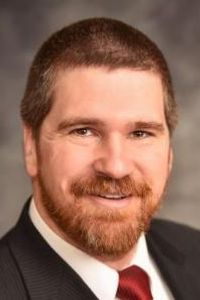
Furniss, a Rigby-area lawmaker who has served eight years and sits on the powerful Joint Finance-Appropriations Committee (JFAC), opened by touting Idaho’s conservative rankings, low spending and recent tax cuts, noting the state income tax rate dropped from 7.4% to 5.3% during his tenure. Hanks, who served two terms in the House and lives near St. Anthony, framed her candidacy as a “citizen legislator” alternative, arguing the district needs a more consistent conservative who will resist “bigger government programs,” including Medicaid expansion and public benefits for people in the country illegally.
Immigration dominated early exchanges. Moderators asked Furniss about campaign donations from agricultural and farm-related political action committees. Furniss said PAC support represents many small businesses and insisted contributions do not sway his votes. Hanks argued illegal labor has expanded beyond agriculture into construction and trades, underbidding Idaho workers and contributing to crime and public-safety concerns.
Furniss acknowledged the labor-market pressure but said many employers already attempt compliance through I‑9 verification and lack the tools to legalize workers reliably. He criticized state-level enforcement bills opposed by law enforcement groups, saying they amounted to an unfunded mandate that would ultimately raise property taxes. Furniss urged Congress to expand the federal H‑2A program into a 12‑month option and allow renewals, arguing that would bring Idaho into compliance “overnight.”
Hanks supported federal reforms such as the Farm Workforce Modernization Act, but accused Furniss of voting to maintain “welfare benefits” for illegal immigrants—an assertion Furniss rejected. He said the disputed vote involved access to emergency-room care, which federal law requires hospitals to provide.
On education, Furniss defended skepticism toward House Bill 93, the school-choice tax credit enacted last year, saying he wanted more accountability and a different funding mechanism tied to the state budgeting process. While he said he accepts the law and supports school choice broadly, he criticized how the program is funded “before it hits a budget,” limiting legislative oversight.
Hanks said she would have supported House Bill 93 and backed a wide array of education options, citing her own experience homeschooling and working in the Fremont School District. She criticized Gov. Brad Little’s Launch workforce scholarship program, raising concerns about defaults and whether students are required to remain in Idaho. Furniss said Launch includes work-and-stay requirements with repayment provisions and argued the program is boosting student opportunity, though he warned community colleges face capacity bottlenecks in high-demand trades.
Budget and growth also drew sharp disagreement. Furniss said the latest $14 billion spending plan reflected flat state spending and increases driven largely by federal and dedicated funds, describing the state’s revenue dip as temporary after major federal tax changes affected depreciation and corporate receipts. Hanks blamed recent budget expansion on federal COVID-era American Rescue Plan Act (ARPA) dollars and criticized Medicaid expansion, arguing it diverts resources from the “truly needy.”
In a later segment, moderators pressed Hanks on her alignment with the Idaho Freedom Foundation (IFF), noting she often scores near 100% on its Freedom Index. Hanks said she consults multiple sources and would not join the IFF-backed “gang of eight,” while Furniss argued perfect IFF scores encourage lawmakers to follow a script rather than independently evaluate bills.
Both candidates closed by contrasting governing styles: Hanks promised stricter spending restraint and tougher stances on immigration and taxes, while Furniss argued his experience and legislative effectiveness—highlighting dozens of bills passed—make him better suited to navigate state government on behalf of District 31.
PART 1:
PART 2: