
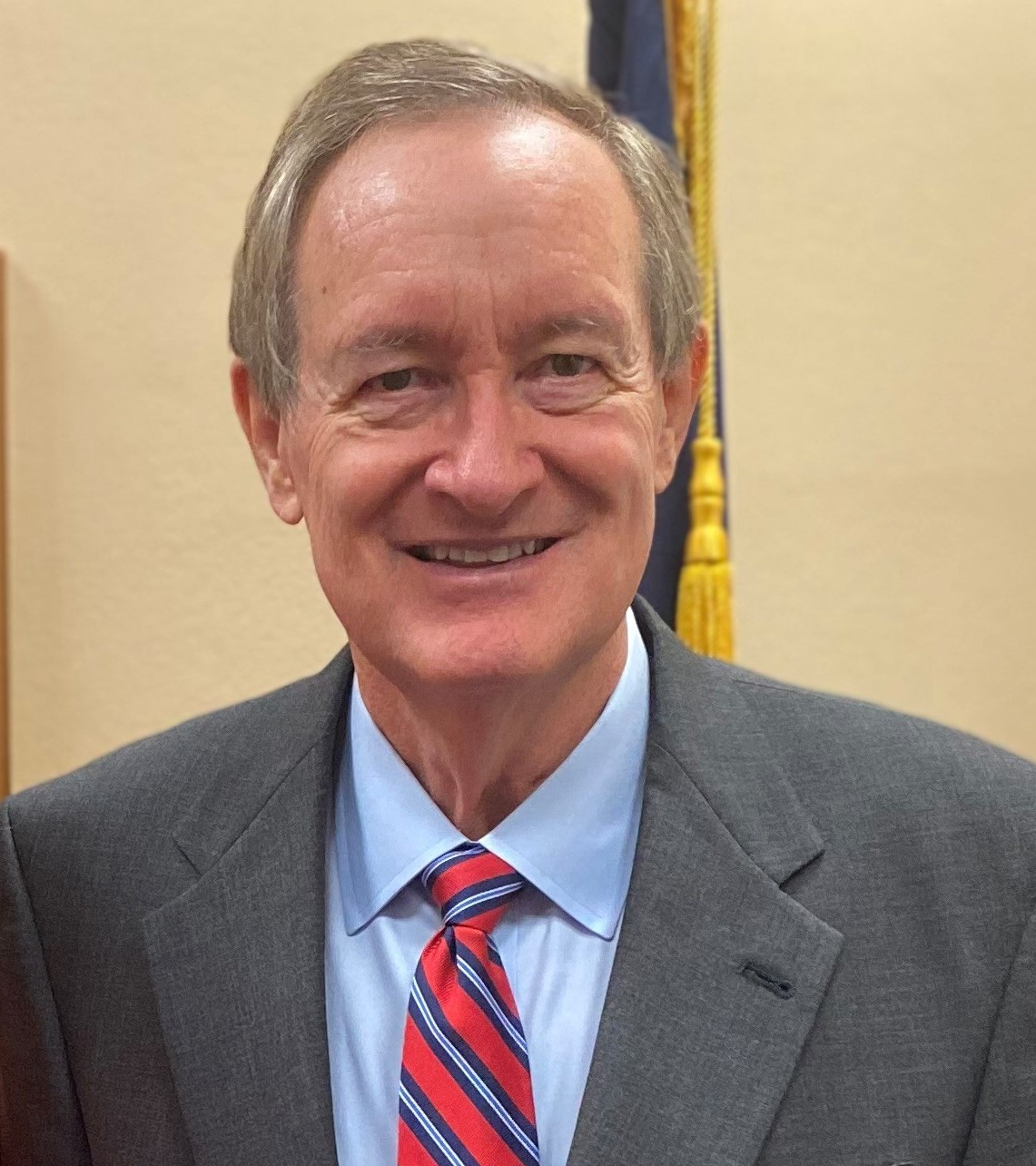
In a recent interview on Newstalk 107.9, U.S. Senator Mike Crapo provided an update on the legislative gridlock currently facing Washington D.C., specifically regarding Department of Homeland Security (DHS) funding and border enforcement. With a congressional recess approaching, Crapo detailed the collapse of a tentative deal aimed at avoiding a partial government shutdown.
According to Crapo, a bipartisan agreement seemed likely earlier this week. The proposed deal involved funding most of the DHS while handling specific Immigration and Customs Enforcement (ICE) funding through a separate partisan vote. However, Crapo stated that Democrats withdrew their support late yesterday. He attributed the breakdown to disagreements over safety protocols for enforcement officers, noting that Republicans refused a demand to require officers to remove protective masks while operating in high-risk environments.
Regarding the impact of a potential shutdown on Transportation Security Administration (TSA) employees, Crapo emphasized that these workers are considered essential and will eventually receive back pay. He noted that ICE agents are currently receiving pay due to previous funding measures, allowing them to assist with airport operations. Crapo criticized the political optics of the stalemate, suggesting that some lawmakers believe the current situation favors their party in the national media.
The Senator also addressed the SAVE Act, a measure focused on election security and photo identification requirements. While there has been internal discussion about passing the act through the reconciliation process—which requires only a simple majority—Crapo expressed skepticism. He explained that reconciliation is generally restricted to mandatory spending and tax policy. Since the SAVE Act primarily mandates state actions rather than federal spending, it faces significant procedural hurdles under Senate rules.
Finally, Crapo highlighted progress in healthcare reform, specifically the Crapo-Wyden legislation targeting pharmacy benefit managers (PBMs). He reported that portions of the bill have already been signed into law, aiming to increase transparency in prescription drug pricing and break the market control held by industry middlemen. He concluded the interview by praising the recent confirmation of Markwayne Mullin as Secretary of Homeland Security, stating that Mullin will be an effective leader in pursuing the administration’s border security agenda.