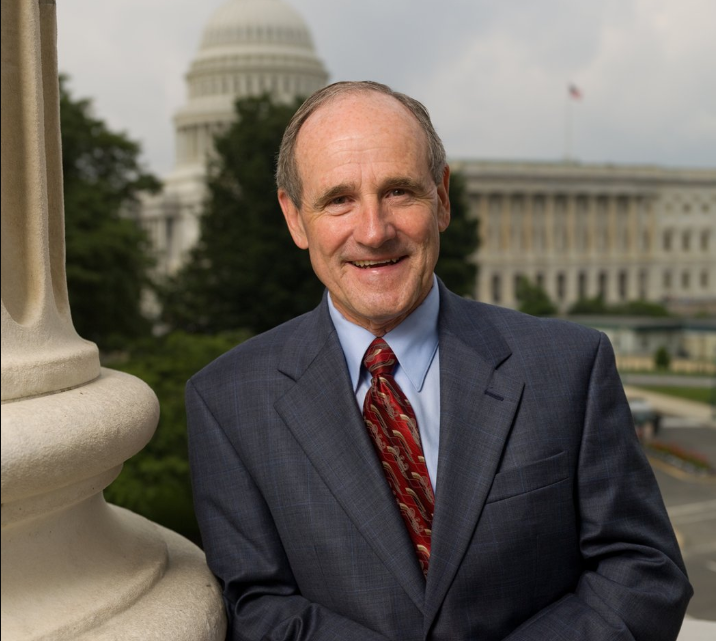
In a recent interview on Newstalk 107.9, U.S. Senator Jim Risch provided an update on the current legislative gridlock in Washington D.C., as well as his perspective on military operations in Iran and Venezuela. Risch characterized the ongoing government shutdown as “totally avoidable,” attributing the stalemate to intense partisan divisions and a lack of cooperation across the aisle.
Addressing the shutdown’s impact on federal workers, including TSA and Coast Guard personnel, Risch criticized the practice of requiring employees to work without immediate pay, calling the situation “despicable.” He noted that he has co-sponsored multiple bills designed to prevent such shutdowns by automatically maintaining existing funding levels if a new agreement cannot be reached. Risch stated that the current impasse is largely due to the 60-vote threshold required for most legislation, noting that the opposition has remained unified against current proposals while presenting their own list of demands regarding immigration and law enforcement protocols.
On the topic of international conflict, Risch offered a summary of recent military actions involving Iran. He asserted that the country’s naval and air capabilities have been effectively neutralized by U.S. and Israeli forces, allowing for total air superiority. Despite the intensity of the conflict, Risch sought to reassure the public that there are no plans to deploy “boots on the ground,” explaining that modern warfare relies more heavily on drones and precision air power. He predicted the conflict would conclude “quite quickly” rather than becoming a prolonged engagement.
Risch also touched upon the situation in Venezuela, describing a recent military operation to remove leadership as “incredibly successful” and well-planned. He reported that the country is transitioning toward a more Western-leaning stance and that legal proceedings against Nicolás Maduro are currently underway. He emphasized that the Venezuelan people desire a return to the robust democracy and free-market system they once maintained.
Finally, the Senator discussed the SAVE Act, a bill aimed at tightening election security by requiring proof of citizenship and photo ID for voters. While acknowledging the difficulty of passing the bill under current Senate rules, Risch suggested that Republicans are exploring the use of the reconciliation process to bypass the 60-vote requirement. He argued that such measures are a matter of “common sense” to ensure the integrity of national elections.