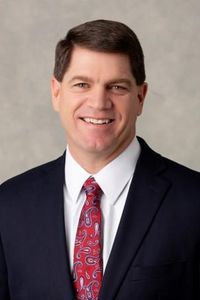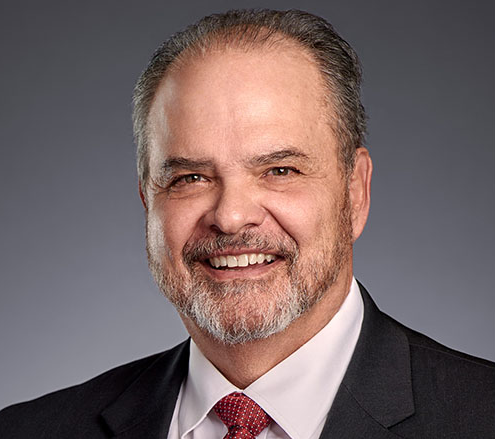
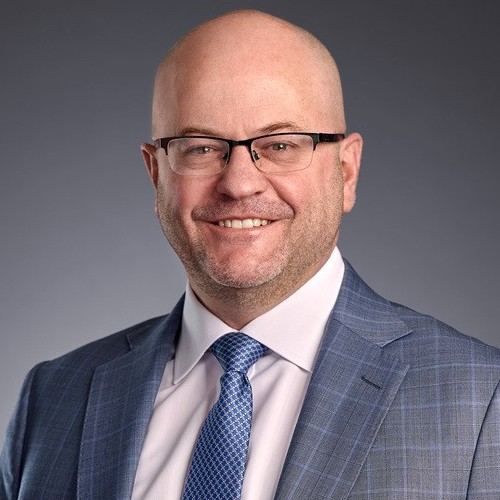
(BOISE) – In an exclusive interview with Neal Larson and Julie Mason on Newstalk 107.9, State Senator James Ruchti addressed the mounting challenges of a legislative session defined by a sudden and significant budget shortfall. Ruchti described a sense of “whiplash” among lawmakers who began the year anticipating a surplus of up to $1 billion, only to be met with warnings of a deficit ranging from $555 million to $1 billion. He attributed this reversal to several years of aggressive tax cuts which, in his view, have reduced state revenue beyond sustainable levels.
Comparing the current fiscal atmosphere to the 2009 Great Recession, Ruchti argued that the state is moving beyond simple efficiency “trimming” and toward more painful territory. While some colleagues have called for a “DOGE”-style effort to streamline government, Ruchti cautioned that the scale of the revenue gap requires more than fine-tuned adjustments. He stated that the legislature is currently facing the need for “hatchets and axes” rather than scalpels, warning that across-the-board reductions will inevitably “hit some bone” and impact essential services.
Ruchti specifically highlighted several areas where budget pressures are already surfacing. He noted concerns regarding water quality monitoring, water-rights administration, and mental health services. He warned that reducing funding for crisis services often results in higher downstream costs for local jails and law enforcement agencies. To avoid these outcomes, Ruchti proposed a multi-pronged approach to stabilize the state’s finances without immediately resorting to tax increases.
His primary recommendation involves utilizing Idaho’s substantial “rainy day” reserves. Ruchti suggested deploying approximately $550 million—roughly one-third of the state’s $1.6 billion reserve fund—to bridge the immediate gap. He argued that because Idaho’s underlying economy remains fundamentally healthy, using reserves now could prevent destabilizing cuts while waiting for revenue to potentially rebound. Additionally, he proposed adding “triggers” to recent tax cuts so that they only take effect when the state meets certain revenue benchmarks.
The Senator also touched on the controversial $50 million private and religious school tax credit program, known as House Bill 93. Ruchti called for the elimination of the program, arguing that it lacks accountability and diverts funds at a time when public schools are facing an estimated $50 million reduction. During the interview, hosts Larson and Mason noted their disagreement with this stance, though the conversation remained professional.
The interview concluded with a discussion on state party politics, specifically the decision to bring Minnesota Governor Tim Walz to Idaho for fundraising. Ruchti noted he was not part of that decision-making process and suggested that while Walz may help with fundraising, he personally might have invited leaders from states facing similar budget crises, such as Pennsylvania Governor Josh Shapiro, to better resonate with Idaho audiences.