
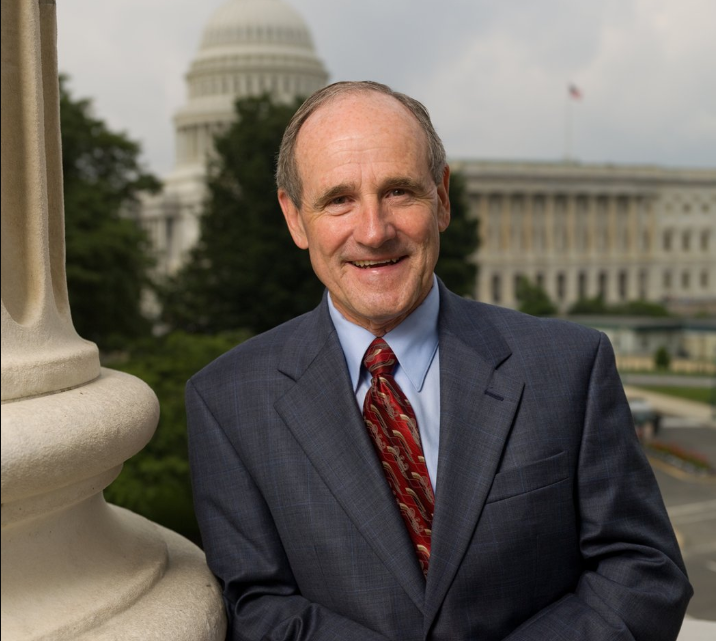
In a recent interview with Neal Larson from Newstalk 107.9, Senator Jim Risch addressed a range of pressing domestic and international issues, specifically focusing on the SAVE Act and the ongoing U.S.-Iran conflict following “Operation Epic Fury.” Regarding the SAVE Act, a bill intended to mandate voter identification and ensure only U.S. citizens participate in federal elections, Senator Jim Risch characterized the measure as a “common sense” initiative with broad public backing. However, he noted that Senate Democrats remain unified in their opposition to the legislation.
Senator Jim Risch also addressed internal Republican dynamics, acknowledging that some members of his own party have expressed reservations about the bill due to concerns over states’ rights. Risch stated that while states like Idaho maintain high election standards, he believes federal action is necessary to address what he described as significant fraud issues in other regions. He noted that former President Donald Trump has been applying pressure on Senate Majority Leader John Thune to pass the act, though he admitted that currently, the bill lacks the necessary votes to clear the Senate.
Shifting to foreign policy, Senator Jim Risch provided an assessment of the U.S. military strikes against Iran. He asserted that “Operation Epic Fury” successfully dismantled Iran’s naval and air defenses, leaving the regime’s airspace vulnerable. Risch warned that despite these military setbacks, the Iranian leadership remains ideologically stubborn. He identified the Strait of Hormuz as Iran’s final strategic tool, noting that any disruption there would likely cause a spike in global energy prices and impact U.S. public opinion.
Concluding his remarks, Senator Jim Risch distinguished between the Iranian government and its population. He estimated that roughly 70% of Iranians are under the age of 35 and largely favor a shift toward a Western-leaning democracy. However, he noted that the Islamic Revolutionary Guard Corps (IRGC) remains a significant barrier to regime change through its use of force to suppress dissent. While Risch declined to provide specific military details regarding the Strait of Hormuz, he maintained that keeping the waterway open remains a critical priority for the United States.