“Pickle for a Purpose” Tournament Fundraiser in Rigby">“Pickle for a Purpose” Tournament Fundraiser in Rigby

“Pickle for a Purpose” Tournament Fundraiser in Rigby">

RIGBY, Idaho (KIFI) – One local organization is bringing the popular sport of pickleball to Eastern Idaho. United Voices Rising is working to fund women’s mental health therapies for survivors of sexual assault. They hosted their first annual “Pickle for a Purpose” pickleball tournament on April 11.

The tournament worked as a fundraiser for the organization and their mission. The tournament included mens, womens and mixed doubles. Each team that entered was guaranteed five games of pool and tournament play.

Players of all ages over 18 were welcome to play. Vice President of United Voices Rising and organizer of the pickleball tournament Brailey Sponsler told us she hopes to do the tournament every year.

“We have many sponsors to do raffle prizes and so it’s been awesome. And we’ve been able to generate some good little fundraising money for our programs,” said Sponsler.

United Voices Rising runs a thrift store in Rexburg where they accept donations of clothing and furniture. The UVR Thrift Store helps fund the programs the organization has to support survivors.

“I know a lot of pickleballers. And so I figured if that’s the niche we need to hone into, I know a lot of people that would love to support a good cause and play in a tournament,” said Sponsler. “And so that’s what we went for.”

They also accept monetary donations via their website unitedvoicesrisinginc.org.

4.10.2026 – INTERVIEW: ISU AD Pauline Thiros, S4C Ty Liddle NIL Turbulence, Cowboy Poetry, Local Politics">4.10.2026 – INTERVIEW: ISU AD Pauline Thiros, S4C Ty Liddle NIL Turbulence, Cowboy Poetry, Local Politics

4.10.2026 – INTERVIEW: ISU AD Pauline Thiros, S4C Ty Liddle NIL Turbulence, Cowboy Poetry, Local Politics">

Send us Fan Mail

We kicked off by laying out the next month of political coverage—four straight weeks of candidate debates, plus the usual logistical chaos that comes with trying to get everyone in the same room at the same time. And honestly, we meant what we said: we’re grateful for the lawmakers willing to show up, take tough questions, and explain themselves. That set the tone for a busy show where we bounced from upcoming local races to the bigger cultural and institutional stuff that’s shaping Idaho right now.

The heart of the episode was our conversation with Idaho State University Athletic Director **Pauline Thiros**, who walked us through what the transfer portal, NIL, and the new revenue-share era are doing to college sports—especially for mid-major programs like ISU and schools in the Big Sky. She’s not anti-NIL (she even wishes it existed when she was a student-athlete), but she’s blunt about the instability: develop a star, finally get momentum, and then watch that athlete leave as soon as bigger money calls. She also raised real concerns about students finishing degrees that “transfer,” not degrees they actually want, and argued NIL should be closer to a real value-for-brand model—not straight pay-for-play. We wrapped the show with a studio performance from **Ty Liddle** (and details on the Cowboy Poets of Idaho event in Rexburg), then shifted into our usual Friday-style open lines—touching everything from the Charlie Kirk case updates and conspiracy noise to the reality of dark money, misinformation, and why grassroots turnout matters in Idaho elections.

### Highlights
– Pauline Theros on NIL/transfer portal chaos: roster turnover, pay-for-play distortions, and why mid-majors can’t keep pace with Power Four money  
– Why transfers can derail students’ intended majors—leading to “general studies” degrees by necessity, not choice  
– Ty Liddle performs “Ghost Riders in the Sky” and previews the Cowboy Poets of Idaho gathering at the Rexburg VFW  
– A candid Friday discussion on misinformation, political “manufacturing,” and why small turnout races get decided by razor-thin margins  

Let’s talk advertising. When you want to advertise on the radio, you call the station, right? But what about Facebook, Instagram, Hulu, Disney+, Peacock, and other streaming platforms?

You could try clicking around, reading books, or taking online courses to figure it out—or you can let us handle it. At Sandhill Media Group, we’re your local experts in both radio and digital marketing.

Visit SandhillMediaGroup.com today.

Read More

Idaho Warns of Tight Irrigation Season, Depleted Reservoirs and Water Shortages">Idaho Warns of Tight Irrigation Season, Depleted Reservoirs and Water Shortages

Idaho Warns of Tight Irrigation Season, Depleted Reservoirs and Water Shortages">

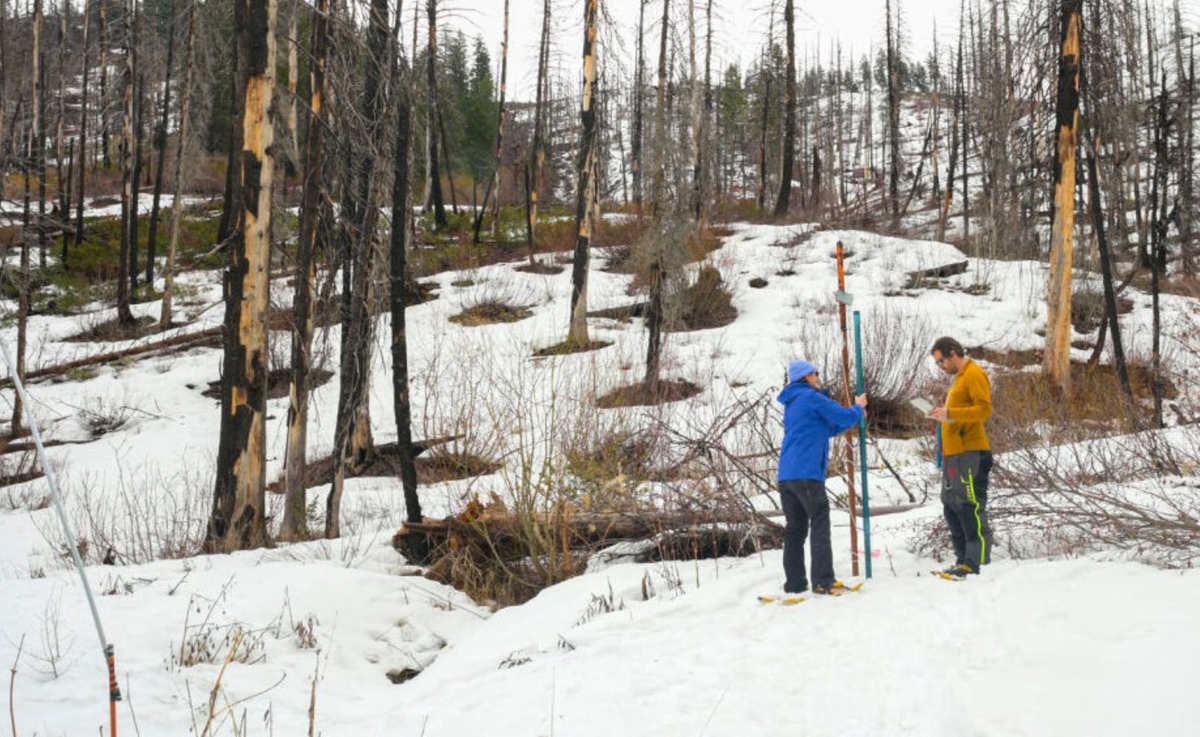
Idaho Falls, Idaho (KIFI) — Idaho could be heading into a tight water year after what experts say may be one of the lowest snowpack seasons on record.

The Idaho Department of Water Resources say a warmer-than-normal winter caused much of the state’s precipitation to fall as rain instead of snow, significantly reducing the region’s natural water storage.

“Probably the lowest snowpack in the history of Idaho,” said David Hoekema, a hydrologist with the agency. “We don’t have much snowpack, we’re not going to get a lot of runoff out of the mountains,”

Hoekema said the Boise Basin faces about a 50% chance of water shortages this season. In the Upper Snake River, the current supply is about 11% below typical demand, and a hot, dry summer would deepen the shortfall.

He stressed that 2026 is not yet one of Idaho’s worst drought years on record, thanks largely to stored water in reservoirs. But with limited snowmelt to refill those systems, the real concern is going into next year, when many reservoirs could be heavily depleted.

Some regions are already bracing for severe cutbacks. The Big Wood Canal Company is projected to have roughly half of its normal water supply, Hoekema said. In the Salmon Falls Tract south of Twin Falls, poor runoff and a reservoir sitting around 13% of capacity mean irrigation deliveries may have to be shut off as early as late May or mid‑June.

Around Idaho Falls and Pocatello, Hoekema expects growers to feel the squeeze as the season advances.

“We’ll get through the year, but it’s going to be really tight, especially if the summer gets hot,” Hoekema said.

Hoekema noted that recent years have already pushed Idaho’s temperatures toward record territory and said this water year may challenge a long‑standing 1934 temperature record.

At higher elevations, an intense heat wave at the end of March accelerated snowmelt by nearly two months, Snow that typically starts melting around mid‑May began disappearing in March, erasing a key buffer that usually carries irrigators into early summer before reservoirs are tapped.

Farmers are already adjusting. The irrigation season officially began April 1, but many canals are delaying diversions or working to deliver water as efficiently as possible. As natural flows drop and irrigators switch to using stored water, Hoekema said producers will need to watch their “storage accounts” closely and prioritize their most valuable crops.

“They’re going to have to really start watching that, and make sure they get the water to the high‑value crops,” he said. “They might have to cut off water supplies to alfalfa earlier this year than they typically would, or maybe have some other low‑value crops or fallow land… so they can stretch their water supplies.”

The picture is bleak across much of the West. Hoekema said Idaho has fared somewhat better than many neighboring states because of its high‑elevation mountain ranges, which captured at least some snow. But he described the broader region as facing “one of the worst droughts” in recent memory, with Oregon, Washington, Utah, Nevada and parts of California and Colorado struggling under low snowpack and heat.

“Besides Montana, we’re doing the best in a bad deal,” Hoekema said.

Residents, he added, have a role to play in stretching supplies — especially in a year when water managers want to keep as much water as possible available for agriculture, a major driver of Idaho’s economy.

In normal years, lawn irrigation supplied by canals can help recharge the aquifer. In a drought, though, Hoekema urged homeowners to cut back.

“In a drought year, you want to do everything you can to reduce irrigation to the minimum so that we can get it to the farms,” he said. “It’s probably not a bad idea to let your lawn brown out a little this year and just get water to where we need it for the economy.”

The drought is also expected to affect hydropower. Hoekema said Idaho typically relies heavily on hydroelectric dams for electricity — roughly three‑quarters of the state’s power in a typical year — but reduced river flows mean utilities will likely need to lean more on alternative sources, especially if the summer is hotter than normal.

Water officials are now watching the skies, hoping for a cooler, wetter pattern and a stronger snow year to follow. Without it, they warn, the tight water supplies facing East Idaho this season could turn into more severe shortages next year.


New Online School Program Coming to District 91">New Online School Program Coming to District 91

New Online School Program Coming to District 91">

IDAHO FALLS, Idaho (KIFI) – Idaho Falls School District 91 will be expanding its online school offerings this fall to help meet growing demand for more flexible education options.

Students and parents looking to customize their education experience will have additional virtual tools available in August. 

The district will initially offer seven main courses online to students in middle school and high school.

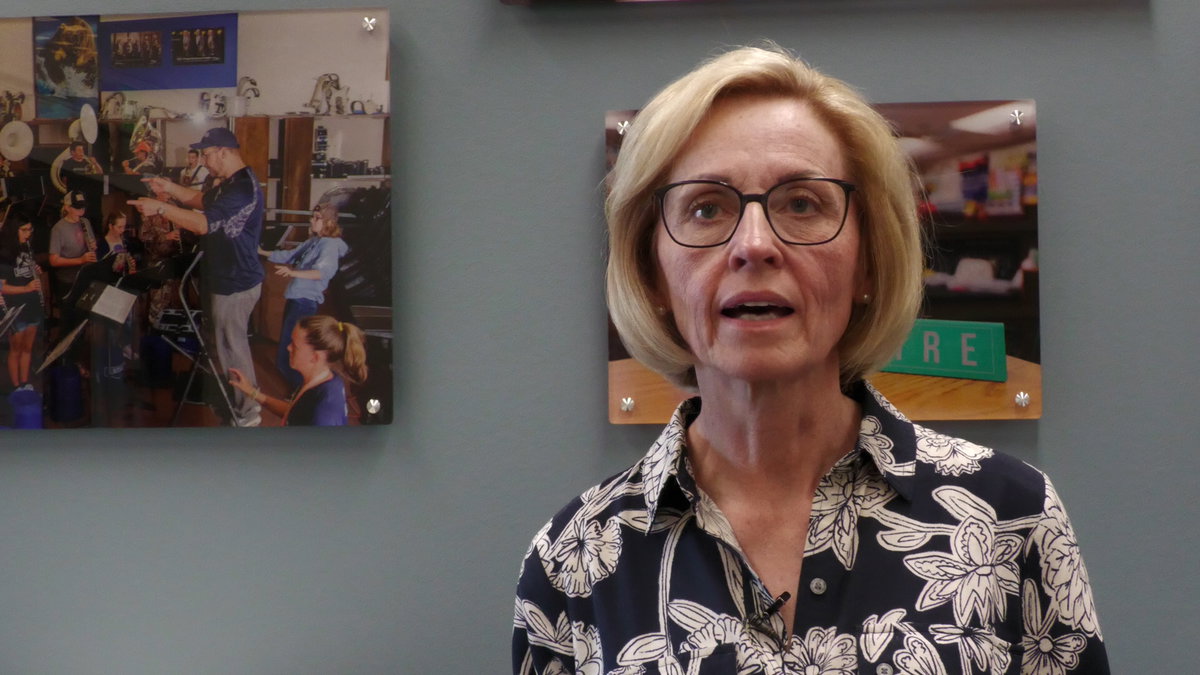
“This fall we will be offering all of the core classes online – so English, Math, Science, Social Studies, Speech and Health,” said District 91 Superintendent Karla LaOrange. “Then second trimester, which starts right after Thanksgiving, we will be offering our full array of courses online.”

After the first trimester, it plans to expand to add Advanced Placement and other elective digital classes to the mix.

“We’ve recognized a need that our parents and community have expressed to just provide more flexibility and options for credits, for learning, and to address the unique needs of some of our students,” said Dr. Thomas Kennedy, District 91’s federal programs director.

Students in online courses will still be enrolled at their local high school or middle school, and can participate in extracurricular activities, dances, sports and clubs.

“The advantages of an online course are that students maybe might be experiencing anxiety, or some other health factors that really it’s best for them to step away from school for a trimester,” LaOrange explained. “There are other students that might want to accelerate or take more classes and earn additional credits, and they can do that. It offers some flexibility in their schedules so that they can work around scheduling conflicts or other internships.”

Middle school students can apply for the whole day online, while high schoolers can customize their schedule to take one or more digital classes at a time.

Students interested in enrolling can contact the counseling office at their high school or middle school for more information.

scroll to top