Idaho farmers confronting a ’horrible, perfect economic storm’">Idaho farmers confronting a ’horrible, perfect economic storm’

Idaho farmers confronting a ’horrible, perfect economic storm’">

BONNEVILLE COUNTY, Idaho (KIFI) – Farmers are facing a vortex of problems as they enter Idaho’s prime growing season with limited water, low crop prices, higher gas and fertilizer costs, myriads of aphids and mite pests, abundant disease, damage from freezing temperatures and weeds run wild.

In addition, Idaho’s warm winter – combined with an abnormal number of freezing nights in April – has decimated the winter wheat and barley crop.

“I’ve seen a lot of people decide to Roundup crops. So they completely stopped the plant growth, and they’re either putting the crop (or) not planting because of water shortages,” said Juliet Marshall, Idaho Agricultural Experiment Station associate director. “I’ve seen people take their crop and mow it down.”

She reports as much as 50 percent killed of winter barley main stems and some fields of winter wheat.

April’s extreme temperature oscillations decimated early crops.

“We had temperatures in some areas in Roberts and in Hamer and up and down the valley were seven degrees,” said Mickelsen Farms CFO Stephanie Mickelsen. “So when that freezes, what happens is, is it can reduce your crop anywhere from 30 to 60 to 100 percent. So right now we’re out taking a look at surveying the damage. We’re concerned.”

Most worrying is the drought that is already impacting the entire region.

“Just hope for some rain for a couple months – maybe ease the drought conditions we’re probably going to see,” said Surface Water Coalition Attorney Travis Thompson. “It’s probably the most severe year I’ve seen in my 25 years of practice.”

Combined with next year’s “Super El Nino” expected to extend and worsen the drought next year, farmers are in for a tough stretch.

“Farmers are facing a significant economic storm. Whether you’re talking about drought and disease and insects and the overall economy associated with the price of inputs, and the overall prices associated with commodities,” said Marshall. “So this is a horrible, perfect economic storm for producers to be facing at this time.”
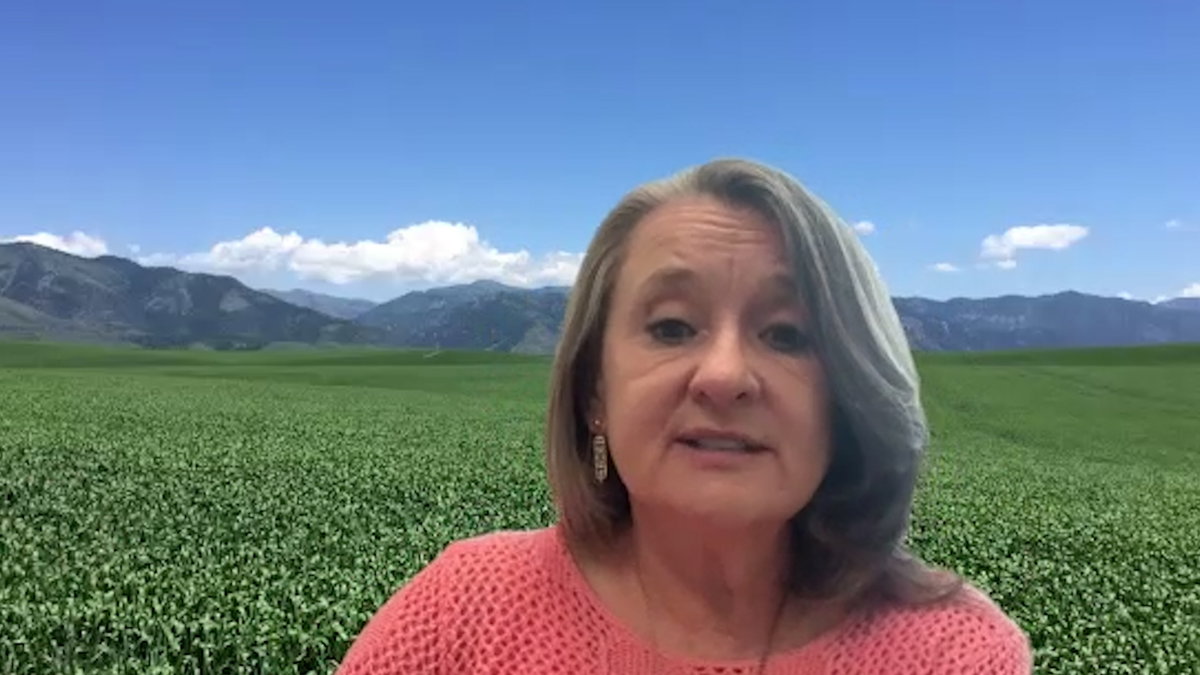
Juliet Marshall is a University of Idaho agriculture specialist with grave concerns about this year’s winter wheat and barley harvest, combined with difficult crop-raising conditions.

Idaho adopts the “Ready, Set, Go!” Wildfire Safety Program for Wildfire Awareness Month">Idaho adopts the “Ready, Set, Go!” Wildfire Safety Program for Wildfire Awareness Month

Idaho adopts the “Ready, Set, Go!” Wildfire Safety Program for Wildfire Awareness Month">

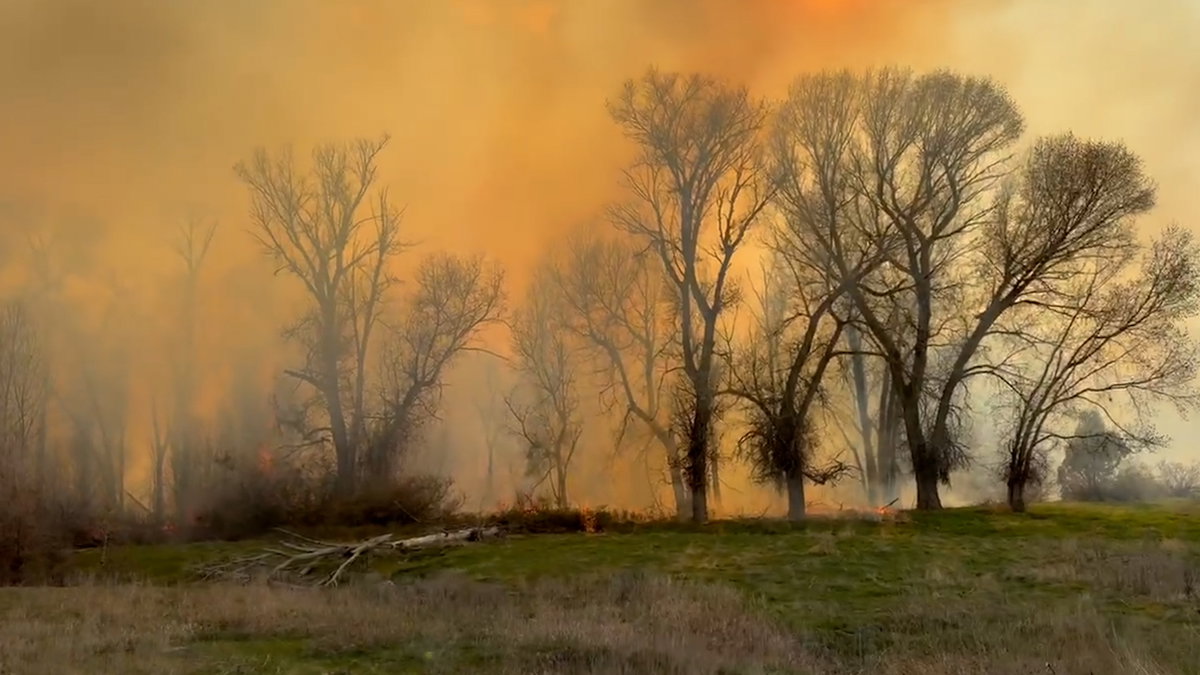
Idaho (KIFI) – As wildfire season approaches amid an abnormally dry, warm spring, Idaho is rolling out a new standardized evacuation system designed to make emergency alerts clearer and easier to follow.

State officials have officially adopted the “Ready, Set, Go” wildfire evacuation program as the statewide standard, aiming to eliminate confusion caused by inconsistent messaging among counties during fast-moving wildfires.

How “Ready, Set, Go” works

The system introduces three simple evacuation levels:

  • Ready — Be aware of danger and begin to prepare for a possible evacuation
  • Set — Be prepared to leave at a moment’s notice: be packed and ready
  • Go — Evacuate immediately when directed by local authorities

South Fremont Fire Chief Chris Hill says a consistent approach to safety like this will help residents better understand their risk and respond more quickly in emergency situations.

“We are 100% volunteer here in Fremont,” said Hill. “And we love to help, but it’s also important to follow local authorities and stay up to date on how hazardous fires can be, especially with the dry summer season we have ahead.”

The move comes in response to recommendations outlined in Governor Brad Little’s 2024 wildfire response report, which called for improved evacuation planning, clearer public messaging, and stronger coordination among agencies.

The effort is being implemented through a collaboration between several statewide organizations, including the Idaho Sheriffs’ Association, Idaho Department of Lands, and the Idaho Office of Emergency Management.

Officials emphasize that while the messaging is now standardized, local county sheriffs will continue to have the authority to issue evacuation orders. Chief Hill also emphasized the need for a structured system like this, as the South Fremont Fire Department has already received over 50 fire calls by early May.

“It’s got the potential to be probably the worst fire season on record,” said Chief Hill. “In March, we usually shouldn’t have any fire kills – but we had 29 fire calls. Hopefully, we get some rainfall, but it’s bad out there. Just pray. ”

As wildfire activity increases and more communities expand into fire-prone areas, state leaders say having a clear, unified system in place could help save lives.

Residents are encouraged to familiarize themselves with the “Ready, Set, Go” system and stay connected to their local emergency management agencies for updates throughout wildfire season.

EXCLUSIVE: D28’S Lamborn Outlines Campaign Challenging Incumbent">EXCLUSIVE: D28’S Lamborn Outlines Campaign Challenging Incumbent

EXCLUSIVE: D28’S Lamborn Outlines Campaign Challenging Incumbent">

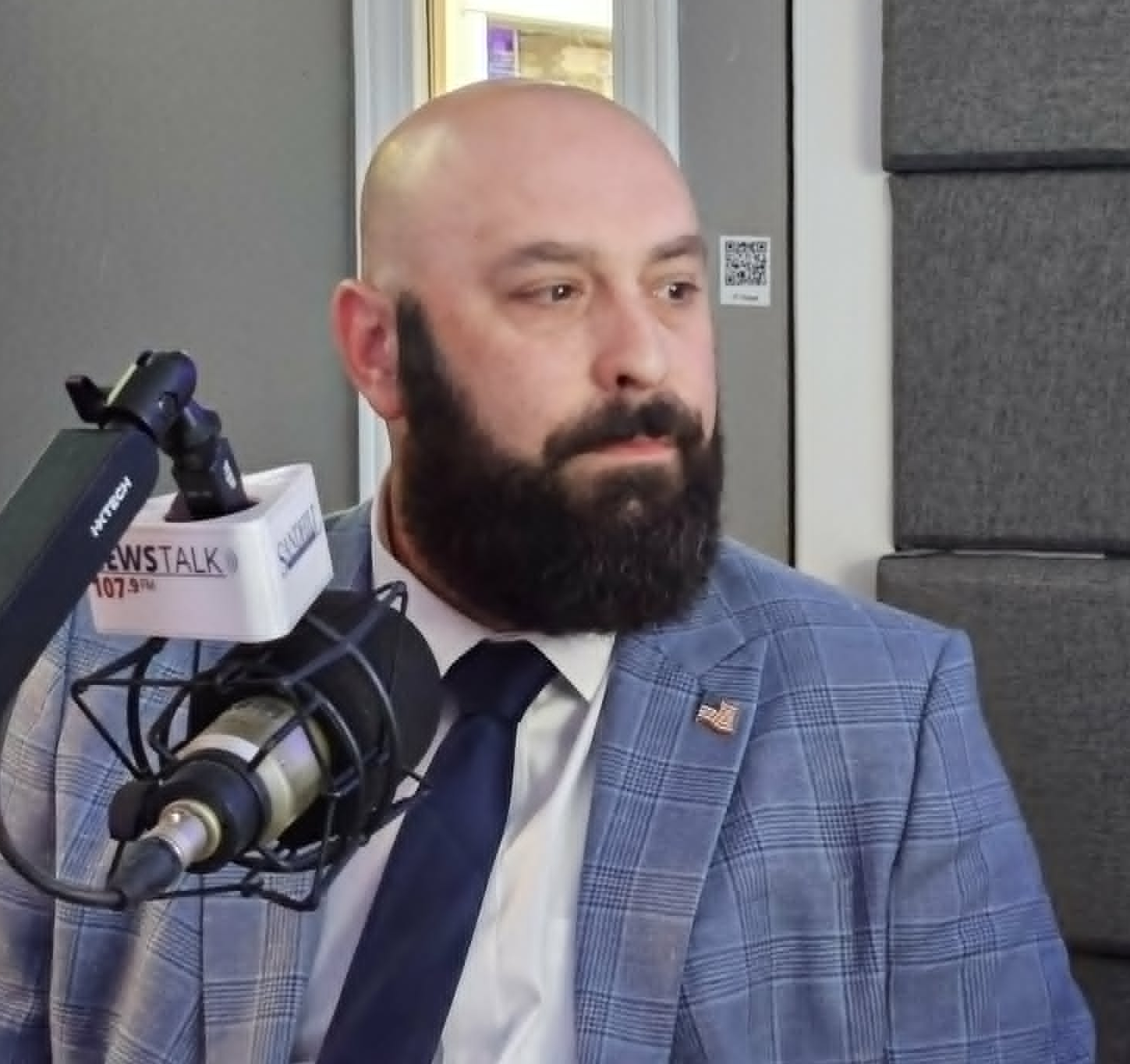
James Lamborn, a candidate for Idaho’s District 28A, recently detailed his campaign platform and vision for the state during an interview on Newstalk 107.9. Lamborn is currently challenging incumbent Rick Cheatum and candidate Mike Seville in a three-way Republican primary, marking his second attempt to secure the seat.

Speaking with host Neal Larson, Lamborn characterized his campaign as a “well-oiled machine,” noting that his team has knocked on more than 2,000 doors to engage directly with voters. He described himself as a constitutionalist and an “America First” Republican, positioning his platform as the traditionally conservative choice in the race. Lamborn expressed confidence in his message, stating that direct outreach has been essential to overcoming what he described as information barriers in local media.

On fiscal policy, Lamborn advocated for aggressive oversight of executive bureaucracies to eliminate perceived waste and fraud. He voiced opposition to Medicaid expansion and suggested that public education funding should face the same level of scrutiny as other state services. “I think we need to remind publicly funded unions… that they’re not the government,” Lamborn said, specifically referencing the Idaho Education Association. He argued for a balanced budget and significant cuts to state spending where bloat is identified.

The candidate also addressed social issues and potential ballot initiatives. Lamborn stated he is “100% pro-life” and criticized the incumbent’s voting record regarding minors seeking out-of-state medical procedures. Regarding the potential legalization of medical marijuana, Lamborn argued against the move, suggesting it serves as a precursor to full recreational legalization. He claimed that such cultural trends negatively impact societal health and work ethic, asserting that Idaho should remain one of the few states to resist the trend.

Finally, Lamborn reaffirmed his support for the Second Amendment, rejecting “common sense” regulations such as red flag laws. He concluded the interview by aligning his candidacy with the national “MAGA” movement and former President Donald Trump, calling for a unified conservative front at the state level. Lamborn’s campaign continues its outreach efforts as the primary election approaches.

EXCLUSIVE: Supt. Critchfield Funding Reform & AI Strategy">EXCLUSIVE: Supt. Critchfield Funding Reform & AI Strategy

EXCLUSIVE: Supt. Critchfield Funding Reform & AI Strategy">

Idaho Superintendent of Public Instruction Debbie Critchfield recently discussed her vision for the future of the state’s education system and her upcoming re-election campaign during an interview on Newstalk 107.9 with Neal Larson and Julie Mason. While Critchfield is running unopposed in the Republican primary, she indicated that she expects a rigorous general election challenge from Democratic and Constitution Party candidates as she defends her record.

A central theme of the discussion was the modernization of Idaho’s school funding model. Critchfield argued that the current formula, established in 1994, is outdated and fails to meet the complexities of 21st-century classrooms. She advocated for a “weighted student model,” where state dollars are attached directly to students and adjusted based on specific needs, such as special education or gifted and talented programs. Critchfield noted that the existing “one size fits all” approach has led to an over-reliance on local supplemental levies, which she described as unsustainable.

Addressing the political landscape, Critchfield commented on the recent “no confidence” vote issued by the Idaho Education Association (IEA) against the governor. The tension stems from legislation that removed school districts as intermediaries for union dues. While acknowledging the controversy, Critchfield defended the administration’s support for educators and emphasized the importance of distinguishing between union business operations and actual classroom advocacy. She also addressed the rise of school choice, suggesting that parental interest in programs like the House Bill 93 tax credit is driven more by a desire for family flexibility than by divisive cultural issues.

The Superintendent also highlighted Idaho’s proactive stance on Artificial Intelligence (AI) in education. She described recent legislation as a necessary step to create “guardrails and parameters” for the technology. According to Critchfield, the goal is to protect student privacy and ensure that AI is used effectively as a professional tool for teachers to enhance lesson planning. She expressed pride in Idaho being one of the first states to formally address AI, noting that the technology is already present in daily life and must be managed responsibly within schools.

scroll to top