INTERVIEW: Rep. Barb Ehardt- HB93 Ruling, Anti-discrimination, Article V Conv">INTERVIEW: Rep. Barb Ehardt- HB93 Ruling, Anti-discrimination, Article V Conv

INTERVIEW: Rep. Barb Ehardt- HB93 Ruling, Anti-discrimination, Article V Conv">

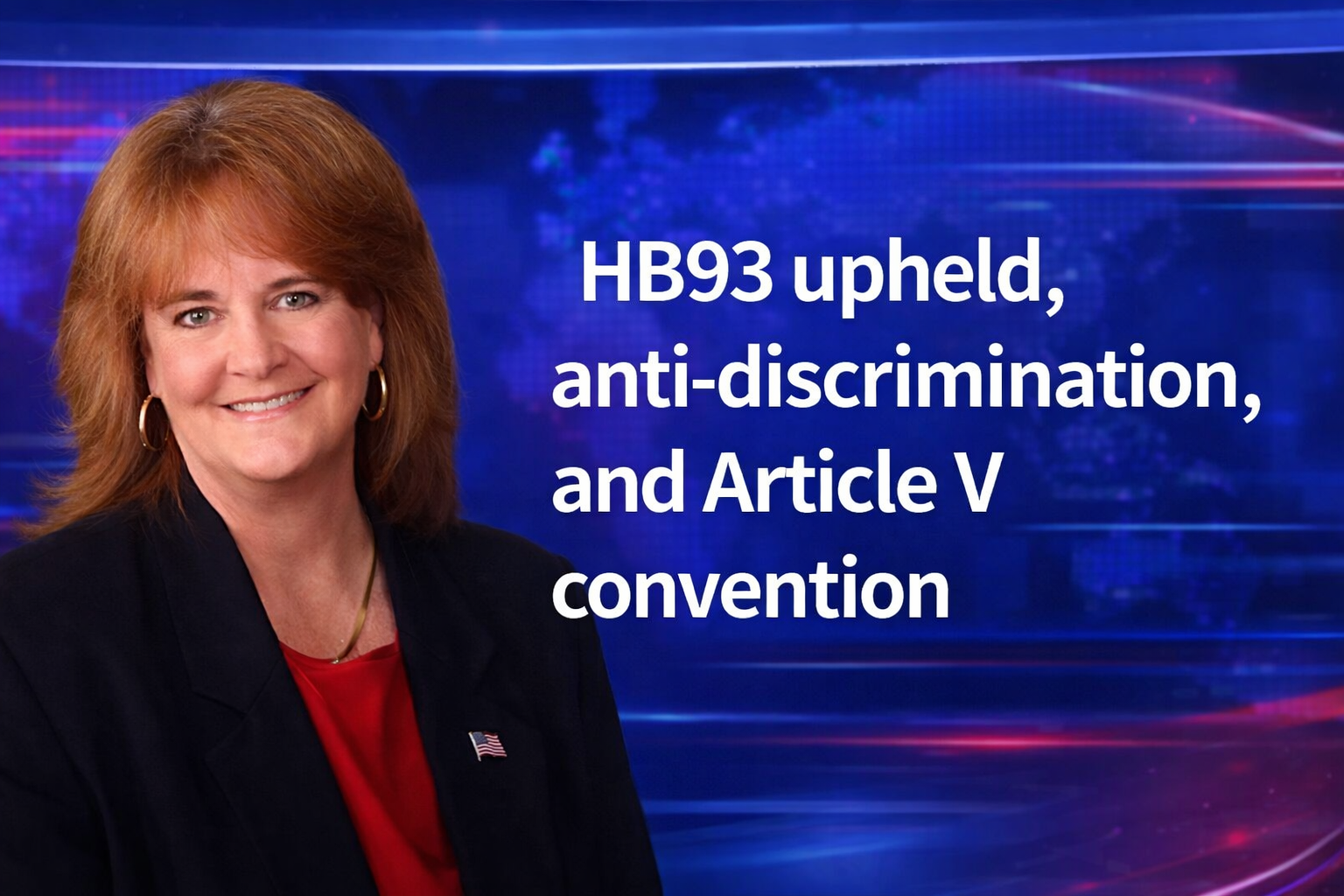
State Representative Barbara Ehardt, R-Idaho Falls, recently provided an update on several high-profile legislative matters currently moving through the Idaho Capitol. In a wide-ranging discussion, Ehardt detailed the progress of a bill regarding local anti-discrimination ordinances, the debate over an Article V Convention of States, and the general mood of the legislature following recent judicial rulings.

A primary focus of the current session involves a bill aimed at standardizing anti-discrimination laws across the state. Ehardt, who chairs the relevant committee, noted that the legislation recently passed the House floor with a 53-vote majority after being approved in committee 13-3. The bill seeks to address city-level ordinances, particularly those involving “public accommodations.” Ehardt argued that while housing and employment protections are largely settled by state and federal law, local mandates regarding public accommodations can infringe upon First Amendment rights and religious freedoms.

If signed into law, the legislation would effectively nullify local ordinances previously passed by cities such as Idaho Falls. Ehardt noted that the Idaho Falls City Council passed its third tier of anti-discrimination protections during the pandemic, a move she criticized for lacking sufficient public discourse at the time. “You can buy anything in the store, you just can’t force someone to go against their conscience,” Ehardt stated, specifically citing concerns over mandates that might affect private businesses or religious organizations.

The conversation also turned to the Article V Convention of States, an issue that Ehardt admitted divides many conservatives. Despite support from some of her Republican colleagues, Ehardt expressed firm opposition to the movement. She cited historical concerns from the founding fathers and warned that such a convention could open a “can of worms” regarding the U.S. Constitution. Her primary objections include the lack of a clear mechanism to enforce new amendments and the potential for small states like Idaho to be overshadowed by larger states like California in a convention setting. “It is going to be contentious, and I worry that we end up with a changed Constitution,” she cautioned.

Additionally, Ehardt briefly touched on the reaction at the Capitol to a recent unanimous Supreme Court ruling regarding ballot access, describing the mood as “ecstatic” and noting that many legislators felt the decision was expected. She also dismissed a personal bill proposed by Representative Steve Berch, D-Boise, which sought to pause parental tax credits, labeling the proposal as “bad form” and unlikely to gain traction in the Republican-controlled legislature.

As the session continues, Ehardt indicated that the House will soon shift its focus to discussions on a balanced budget amendment and other committee work, including recent lengthy hearings on mosquito abatement districts. She concluded by emphasizing that while her colleagues are often divided on policy, there remains a mutual respect for the different perspectives held within the legislature.

INTERVIEW: MSPC’s Chris Cargill Discusses Court Ruling Upholding HB93">INTERVIEW: MSPC’s Chris Cargill Discusses Court Ruling Upholding HB93

INTERVIEW: MSPC’s Chris Cargill Discusses Court Ruling Upholding HB93">

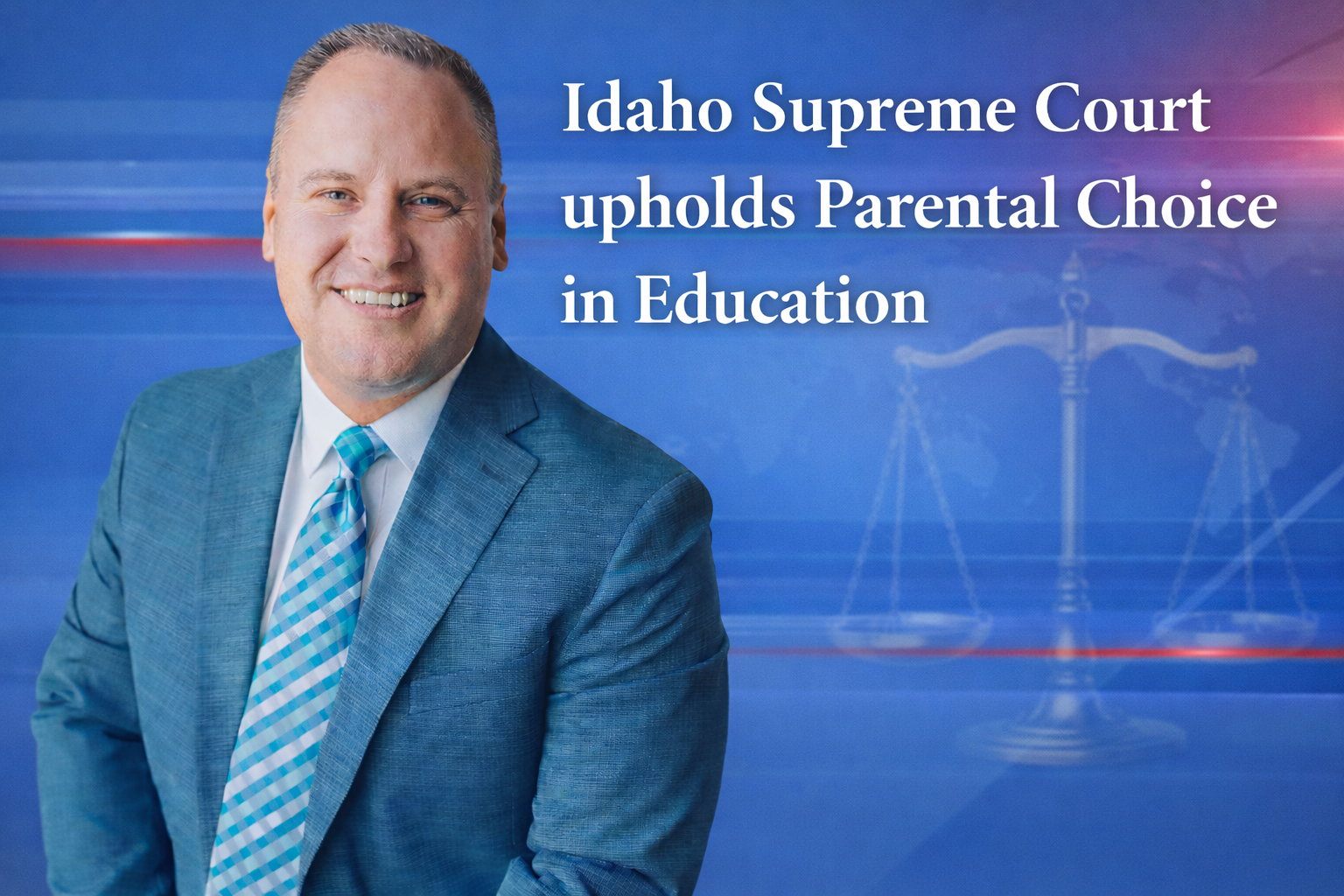
The Idaho Supreme Court has unanimously upheld House Bill 93, a law establishing a parental choice tax credit for educational expenses. In its ruling, the court rejected a legal challenge brought by the Idaho Education Association and other petitioners who sought to block the program.

In a 22-page decision, the justices determined that the petitioners lacked the legal standing necessary to bring the lawsuit. The court stated the challengers’ claims of injury were “speculative and hypothetical” and therefore insufficient. According to Chris Cargill of the Mountain States Policy Center, a proponent of the bill, the court affirmed the principle that the state constitution provides a “floor, not a ceiling” for education, meaning the legislature can create programs beyond the basic public school system.

The court also criticized the petitioners for the timing of their legal challenge. While the bill was signed in February, the lawsuit was filed months later, just before families could begin applying for the credit. The ruling noted that petitioners cannot “manufacture” a need for immediate judicial relief by postponing their request. In an unusual step, the court also awarded legal fees to the state, requiring the teachers’ union and other plaintiffs to pay the taxpayers’ costs for defending the law in court.

The program allows families to receive tax credits for expenses such as private school tuition or homeschool materials. According to recent figures, 5,000 families have already applied for the credit, representing 9,300 students across Idaho.

2.5.2026 – INTERVIEW: US Senator Jim Risch, Immigration, Iran, & Idaho Accountability">2.5.2026 – INTERVIEW: US Senator Jim Risch, Immigration, Iran, & Idaho Accountability

2.5.2026 – INTERVIEW: US Senator Jim Risch, Immigration, Iran, & Idaho Accountability">

Send us a text

This episode features an insightful discussion with US Senator Jim Risch, who dives deep into the contentious DHS budget, highlighting its entanglement with immigration policy. He squarely places blame on the Biden administration for an influx of unauthorized individuals, whom he refers to as criminals by virtue of their illegal entry. Senator Risch also passionately defends the SAVE Act, advocating for voter ID requirements as a common-sense measure against fraud, and, along with the hosts, critiques Democrats for opposing it, suggesting their motivations are purely electoral. The conversation then shifts to Iran, where the Senator offers a more relaxed perspective on current uprisings, citing the regime’s economic fragility and a young, Western-leaning populace as potential drivers of change, while also advocating for his “No Tax Dollars for Terrorists” act.

Later, hosts Neal and Julie unpack several Idaho-specific issues, including a lawsuit filed by a teacher over a classroom poster (which they believe is largely unfounded), the promising initial success of Idaho’s parental choice tax credit program, and growing concerns about potential fraud in federal childcare grants, drawing parallels to issues seen in other states. They also share lighter moments, mocking the Olympics for “woke” name changes and highlighting a humorous fundraiser involving exes’ names and cat litter boxes. Overall, the episode blends national political commentary with local Idaho concerns, all while maintaining a candid, opinionated, yet professional tone.

### Highlight List:

*   **DHS Budget & Immigration Divide:** Senator Risch and the hosts emphasize the deep political divide over immigration, with Risch accusing the Biden administration of enabling illegal entry and Democrats of opposing voter ID for electoral gain.
*   **Iran’s Economic Weakness:** Senator Risch provides a nuanced view on Iran, suggesting its current protests are more impactful due to the country’s economic struggles and a youthful, Western-leaning population, downplaying military threats.
*   **Idaho’s Parental Choice Tax Credit:** The new program sees strong demand, especially for children with disabilities, sparking optimism for micro-schools and innovation in education, while the hosts critique those prioritizing institutions over child welfare.
*   **Concerns over Federal Grant Accountability:** A legislative hearing raises questions about the oversight of federal childcare grants in Idaho, prompting the hosts to express worry about potential fraud and misuse of funds, reminiscent of issues in other states.

Let’s talk advertising. When you want to advertise on the radio, you call the station, right? But what about Facebook, Instagram, Hulu, Disney+, Peacock, and other streaming platforms?

You could try clicking around, reading books, or taking online courses to figure it out—or you can let us handle it. At Sandhill Media Group, we’re your local experts in both radio and digital marketing.

Visit SandhillMediaGroup.com today.

Read More

Local Law Enforcement honored at Appreciation Luncheon">Local Law Enforcement honored at Appreciation Luncheon

Local Law Enforcement honored at Appreciation Luncheon">

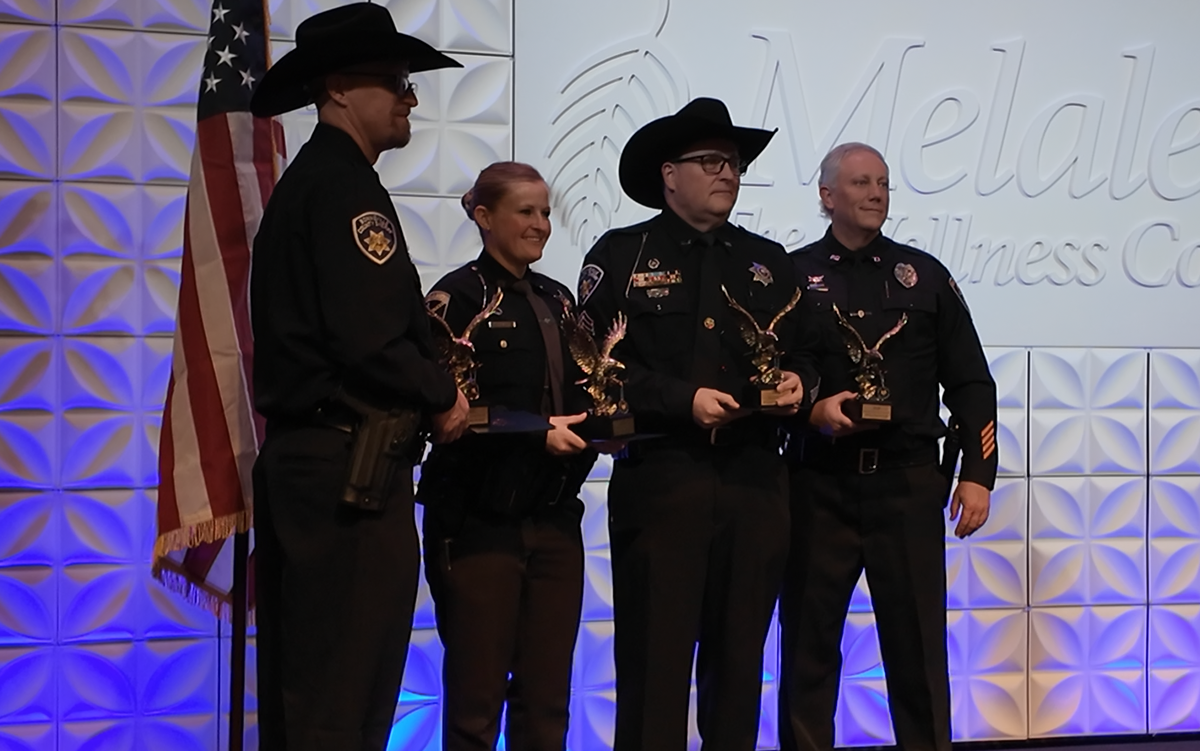
IDAHO FALLS, Idaho (KIFI) — The Greater Idaho Falls Police Foundation honored regional law enforcement officers Thursday during an appreciation luncheon at Melaleuca Headquarters. The event highlighted law enforcement excellence across various jurisdictions.

Award Recipients

Leader in Law Enforcement Award: Chief Bryce Johnson
Law Enforcement Officer of the Year: Sergeant Brian Lovell
Idaho State Police (ISP) MVP: Sergeant Amanda Ward.
Bonneville County Sheriff’s Office MVP: Deputy Reily Foster.
Idaho Falls Police Department MVP: Officer Dustin Cook.

The Greater Idaho Falls Police Foundation luncheon served as more than an awards ceremony; it highlighted the support the foundation provides to local law enforcement.

It has equipped Idaho State Police (ISP) troopers with essential specialized gear, including cold-weather search gloves and cooling vests, and bolstered the “Ten Counties of Christmas” initiative.

An achievement showcased was the launch of the Sheriff’s Office therapy K-9 program. Strider, a certified therapy dog working at Thunder Ridge High School, was present at the event.

The $30-per-person event generates proceeds that will continue to fund crucial training for regional officers, such as hand-to-hand combat and crisis intervention programs.

scroll to top