
Vaccine maker Moderna says the Food and Drug Administration will decide whether to approve its new flu shot for older adults after all
Full Post Style
Bernie Sanders and Gavin Newsom become adversaries over push to tax California billionaires">Bernie Sanders and Gavin Newsom become adversaries over push to tax California billionaires
Bernie Sanders is coming to Los Angeles to campaign for a proposed “billionaires tax” that has set off an uproar in the Silicon Valley and led to divisions among Democrats
INTERVIEW: Michael Coats, Severe Water Shortage and KIFI 6th Anniversary">INTERVIEW: Michael Coats, Severe Water Shortage and KIFI 6th Anniversary

Meteorologist Michael Coats of Local News 8 recently provided a sobering assessment of the region’s water outlook during an exclusive interview with Julie Mason from Newstalk 107.9. Highlighting the severity of current conditions, Coats noted that Eastern Idaho is experiencing its warmest winter since 1934, characterized by an exceptionally dry January and significantly diminished snowpack levels across several key basins.
The data presented by Coats paints a concerning picture for the upcoming growing season. The Henry’s Fork basin is currently at 75% of its normal capacity, while the Portneuf basin has dropped to just 40%. Other basins in southeastern Idaho, including the areas surrounding the Blackfoot reservoir and Bear Lake, are collectively reporting levels below 70%. These deficits have direct implications for regional water storage; Palisades Reservoir is currently at 40% capacity, while American Falls stands at 70%.
Coats expressed deep concern regarding the potential for water curtailments and legal conflicts, similar to those seen in previous drought years. While some storms are projected for late February, he described them as “too little too late” to bridge the existing gap. He further predicted a “spring-like” March, which would likely prevent the accumulation of necessary snowpack. This trend reflects a broader pattern across the Western United States, where high-pressure systems have locked in warm, dry weather while the East Coast experiences more frequent storms.
The interview also touched on the 65th anniversary of Local News 8, a milestone for broadcasting in Eastern Idaho. Coats discussed his professional routine and the evolving landscape of media consumption. He noted that while viewing habits are shifting toward virtual cable services and smart TV apps, Local News 8 has expanded its accessibility through upgraded transmitters and dedicated streaming platforms like Roku and Amazon. Despite these technological advancements, the primary focus remains on the critical environmental challenges facing the community. A statewide day of fast and prayer for water has been proposed for early March to address the ongoing crisis.
INTERVIEW: Rep. Rod Furniss on Budget Challenges, Re-election Bid">INTERVIEW: Rep. Rod Furniss on Budget Challenges, Re-election Bid
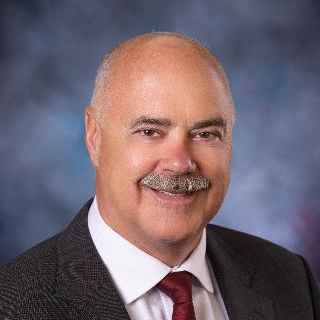
State Representative Rod Furniss provided a detailed update on the Idaho legislative session during an exclusive interview with Neal Larson and Julie Mason on Newstalk 107.9. Furniss addressed the state’s tightening fiscal landscape, controversial social legislation, and his upcoming bid for reelection to a fifth term.
According to Furniss, the current session is defined by significant budget reductions. He attributed the revenue shortfall to several factors, including state tax relief measures that returned approximately $450 million to Idahoans and federal tax reforms that further reduced state revenue by an estimated $700 million. While the legislature has implemented a 3% budget cut—set to reach 5% by 2027—Furniss expressed concern that some reductions may be excessive. He specifically highlighted a $150,000 cut to firefighting and deep reductions to mental health services, including the elimination of the ACT Program, which monitors high-risk individuals. Furniss suggested that the state’s $880 million budget stabilization fund should be utilized more effectively to protect these essential services.
The interview also explored the political dynamics of “culture bills,” such as House Bill 607 regarding biological sex and bathroom use. Furniss provided a candid look at the pressure lawmakers face, noting that representatives sometimes cast “political votes” on contentious issues to avoid public backlash. He indicated that the bathroom bill requires further clarification to ensure it does not create unintended legal liabilities for Idaho businesses or penalize citizens for accidental infractions.
Looking toward the remainder of the session, Furniss anticipates a significant volume of new legislation. He voiced strong opposition to efforts aimed at terminating Idaho’s cloud seeding programs, which he credits for providing 10-15% of the state’s snowpack. Furniss vowed to lead a “floor fight” to maintain the program, citing its critical role in adding over one million acre-feet of water to the Snake River annually.
Furniss concluded the interview by confirming his candidacy for reelection. Reflecting on his eight years in office, he pointed to the state’s tax rate reduction from 6.9% to 5.3% as a key achievement of his tenure.