
DHW links Raw Milk to rise in E. coli and Campylobacter cases in Idaho">DHW links Raw Milk to rise in E. coli and Campylobacter cases in Idaho

DHW links Raw Milk to rise in E. coli and Campylobacter cases in Idaho">

Since August 1, 2025, DHW has received reports of at least 26 cases of bacterial infection across Idaho associated with drinking or consuming raw milk. DHW has documented 23 cases of Campylobacter infection, including six children under the age of 12, in addition to 3 cases of Shiga toxin-producing E. coli (STEC) infection.

STEC is a type of E. coli that can cause very serious infections, especially in young children. As cases have broken out throughout Idaho, with multiple people seeking medical care and two requiring hospitalization.

What is Raw Milk?

Raw milk is milk that has not been pasteurized, which involves heating milk to kill disease-causing bacteria. Raw milk can harbor dangerous bacteria, including Campylobacter, E. coli, Listeria, and Salmonella, which can cause symptoms such as vomiting, bloody diarrhea, abdominal pain, fever, and dehydration.

“People should be aware of possible health risks before consuming raw, unpasteurized dairy products or providing such products to family members, particularly people who might be at higher risk for illness, including young children, pregnant women, the elderly, and those who are immunocompromised,” stated IDHW in a news release.

In Idaho, DHW says raw milk can be sold legally. However, under current state law, raw milk is not required to be tested for dangerous bacteria like Campylobacter, E. coli, or other disease-causing agents before it is sold to the public.

The DHW urges anyone who has recently consumed raw milk and is experiencing symptoms to seek medical care promptly. For additional information or to report an illness, contact your local public health district.

BOISE, Idaho (KIFI) — The Idaho Department of Health and Welfare is investigating a significant and recent surge in illnesses linked to the consumption of raw, unpasteurized milk.

Since August 1, 2025, DHW has received reports of at least 26 cases of bacterial infection across Idaho associated with drinking or consuming raw milk. DHW has documented 23 cases of Campylobacter infection, including six children under the age of 12, in addition to 3 cases of Shiga toxin-producing E. coli (STEC) infection.

STEC is a type of E. coli that can cause very serious infections, especially in young children. As cases have broken out throughout Idaho, with multiple people seeking medical care and two requiring hospitalization.

What is Raw Milk?

Raw milk is milk that has not been pasteurized, which involves heating milk to kill disease-causing bacteria. Raw milk can harbor dangerous bacteria, including Campylobacter, E. coli, Listeria, and Salmonella, which can cause symptoms such as vomiting, bloody diarrhea, abdominal pain, fever, and dehydration.

“People should be aware of possible health risks before consuming raw, unpasteurized dairy products or providing such products to family members, particularly people who might be at higher risk for illness, including young children, pregnant women, the elderly, and those who are immunocompromised,” stated IDHW in a news release.

In Idaho, DHW says raw milk can be sold legally. However, under current state law, raw milk is not required to be tested for dangerous bacteria like Campylobacter, E. coli, or other disease-causing agents before it is sold to the public.

The DHW urges anyone who has recently consumed raw milk and is experiencing symptoms to seek medical care promptly. For additional information or to report an illness, contact your local public health district.
Pocatello sanitation services announces holiday schedule change">Pocatello sanitation services announces holiday schedule change

Pocatello sanitation services announces holiday schedule change">

The following is a news release from the City of Pocatello:

POCATELLO, Idaho (KIFI) — Thursday and Friday’s garbage, recycling, yard waste, and leaf collections for Pocatello residents will be delayed by one day because of the Thanksgiving holiday.

Garbage, recycling, yard waste, and leaves will not be picked up Thursday, November 27; residents with a Thursday pickup are asked to place their autocarts, as well as leaves that have been placed in compostable bags, out for pickup Friday by 7 a.m. Residents with a Friday pickup are asked to place their autocarts and compostable bags out Saturday by 7 a.m. The schedule change will not affect Monday through Wednesday pickups earlier in the week.

The Sanitation Services Department will resume its regular pickup schedule beginning Monday, December 1.

Officials would also like to remind residents that the Bannock County Landfill will be closed on Thanksgiving.

For more information on the programs offered by the Sanitation Services Department, visit pocatello.gov/sanitation

Law enforcement & health providers warn of severe consequences as Idaho prepares to cut Adult Mental Health Services">Law enforcement & health providers warn of severe consequences as Idaho prepares to cut Adult Mental Health Services

Law enforcement & health providers warn of severe consequences as Idaho prepares to cut Adult Mental Health Services">
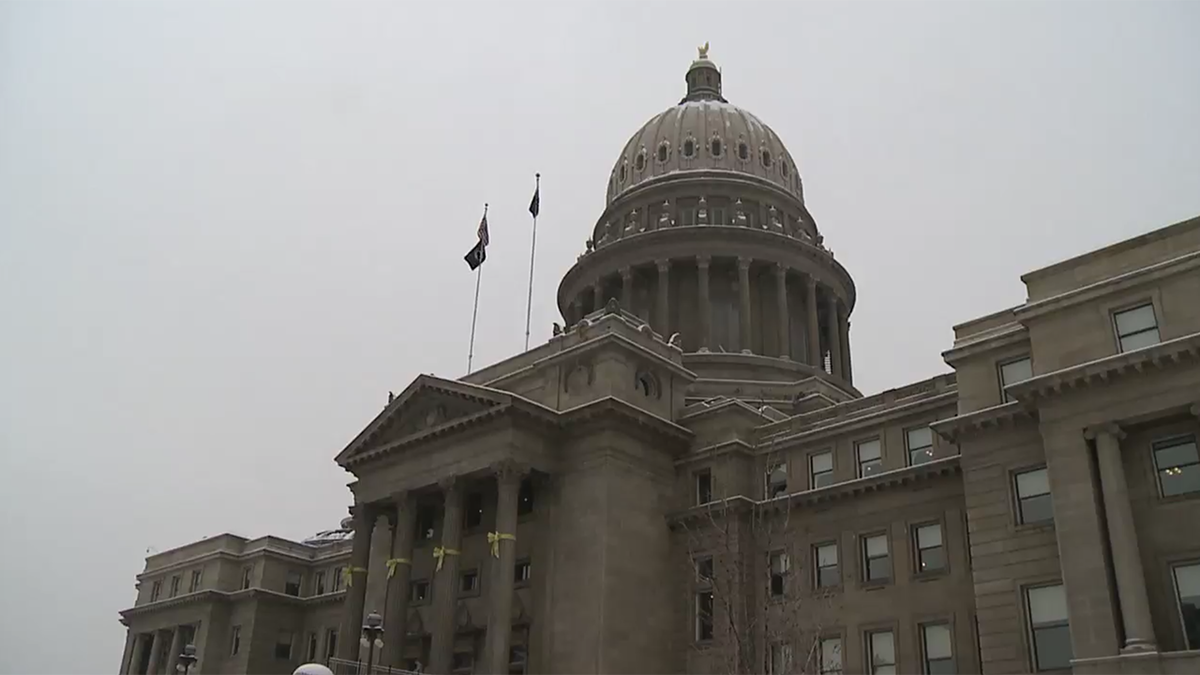
Idaho Capitol

BOISE, Idaho (KIFI) — Idaho is preparing to make severe cuts to adult mental health services starting December 2, sparking widespread fear and even legal action across the state. The cuts stem from state lawmakers’ attempts to cover a budget deficit by slashing funding for several state programs.

The crisis began after the Idaho Department of Health and Welfare announced a 4% pay rate cut for Medicaid medical providers. Following this announcement, Magellan of Idaho—the private company managing Idaho Medicaid’s mental health benefits—announced plans to cut pay rates for Medicaid mental health services by 4% to 15%.

Community leaders, mental health professionals, and law enforcement are warning of severe consequences. Bonneville County Sheriff Sam Hulse warns, “When you tear those systems down, there are consequences for it.”

‘Literally a Matter Between Life and Death’

The immediate effect of the cuts is a collapse of the existing support structure, putting vulnerable clients at risk and forcing professionals out of their jobs. Beth Duenes, a peer support specialist, is losing her job and fears for her clients. She stresses the life-saving nature of their work.

“We’re the folks who are basically on the front line,” explains Duenes. “I’ve had several clients already that have said if it wasn’t for me coming around, they wouldn’t be here. So it’s literally a matter between life and death.

“Now I’m going to go on unemployment. I’m going to go on food stamps, I’m going to go on Medicaid. Those things I don’t need now because I have a job right now. So they’re taking away many jobs.”

Idaho already ranks 48th in the nation for mental health services. Dr. Thomas Tueller, owner of Tueller Services, estimates the cuts will leave approximately 500 clients with severe mental illnesses on their own, with no safety net.

“Where does that put us as a state?” asks Dr. Tueller. “Here’s the frustrating thing, the state has done a redesign on the behavioral health system. We have the Idaho Behavioral Health Council that has been looking at this stuff. We know the realities. And for them to arbitrarily cut these types of programs that we know are critical to the services in the community, you’re going to lose $10 for every dollar you save,” said Tueller.

Sheriff Warns Cuts Will Overwhelm Jails and Hospitals

Sheriff Hulse, who has also sat on the behavioral health board for years, warns the cuts will only shift the burden, and the cost, onto Idaho’s already strained law enforcement and healthcare systems.

“We know exactly what happens. We have the data to back that up. We have the history to back that up,” urges Sheriff Hulse. “What ends up happening is those individuals, they’re going to come to our jails that are already experiencing overcrowding in many parts of the state.”

In a news release, the Idaho Association of Community Providers estimated the cuts would not save money but would shift “$150 to $180 million in new costs” to Idaho’s hospitals, counties, EMS systems, and child-welfare programs.

Sheriff Hulse agreed, emphasizing that it costs so much more to be reactive than to be preventative. He estimates that hospitalization for one client cost about $384,000 for a single year.

“You’re going to have issues related to emergency rooms… That’s not just the emergency rooms here in Bonneville County. That’s also places like Memorial in Lemhi County…really overburdened rural hospital structures. Now you have individuals that are in a psychiatric crisis that end up coming into those communities because they’re underserved, because the resources that were keeping them stable are gone,” explains Hulse.

He stressed that local law enforcement will bear the brunt of the problem, but many of these individuals would not face criminalization if they were receiving proper community services.

Dr. Tueller adds that cutting services creates a “revolving door” crisis cycle. “If they go into the jails or they go into the hospital, they’ll oftentimes lose their apartment, they’ll lose their home, then they become homeless.”

Mental Health Clinics Sue to Halt Cuts

In response to the cuts, four Idaho mental health clinics filed a lawsuit against the DHW last week, including;  Access Behavioral Health Services, Tueller Counseling Service, Riverside Recovery and Mental Health Specialists. The lawsuit asks a judge court order to pause Magellan of Idaho’s planned cuts.

“This is critical care — without their medication, these patients pose a serious threat of harm to themselves or others,” attorneys for the clinics wrote in support of their motion for a stay on the planned cut, according to a report by the Idaho Capital Sun.

Petition Gathers 7,500 Signatures

Mental health providers like Duenes and Dr. Tueller are urging citizens to contact their state representatives immediately, and encouraging them to sign a petition opposing the cuts. As of Tuesday, the petition has gathered over 7,500 signatures.

For more information, click HERE.

Local News 8 has reached out to Magellan, the service provider for Medicaid, on November 21, and have not heard back yet.

Crucial maintenance behind Silver Lake’s lower water">Crucial maintenance behind Silver Lake’s lower water

Crucial maintenance behind Silver Lake’s lower water">

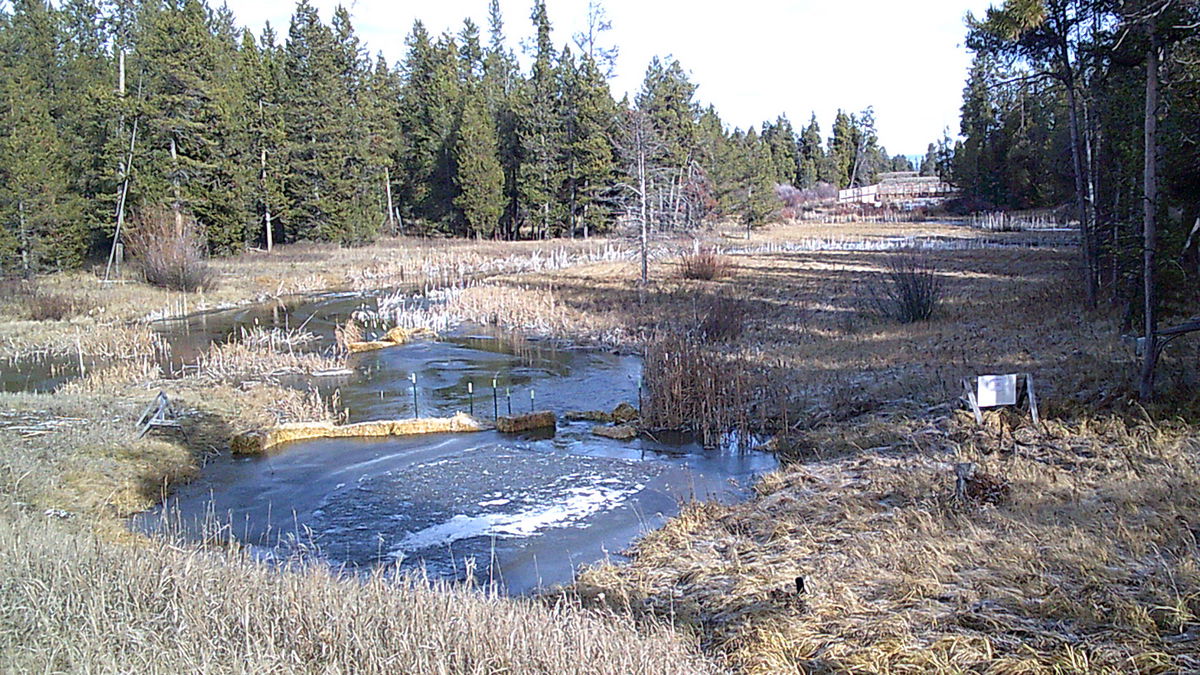
Idaho (KIFI) – Environmental groups have concerns about water levels at an area lake, but officials say it needs to be temporarily lowered. Silver Lake at Harriman State Park had its water levels lowered recently as preventative maintenance on a head gate that goes underneath the main spillway. 

Idaho Parks and Recreation officials explained the water level had to be lowered so construction crews could access the area.

The move had environmental groups asking what that means for the fish living there. A concern parks and rec say they share.

“We have the same concern. It’s a beautiful area, a beautiful habitat. And we’ve taken steps along the way to ensure that that resource is protected,” said. We’ve had staff on site throughout the entire process, monitoring and making sure that the fish are protected through this process. And to this point, we’ve observed no major impact to the fish or the waterfowl in the area,” said Ryan Buffington, East Region Manager for the Idaho Department of Parks and Recreation 

The headgate was no longer functioning, and Parks and Recreation officials say it needed to be addressed.

“Our engineers determined that it was the most effective and safest way to access the area that needed to be replaced. This was preventative maintenance. It was scheduled in advance, and it was crucial to get it done,” said Buffington.

Buffington says managers were in coordination with all the state and federal agencies, required every step of the way. Ensuring the correct processes were followed during repairs.

“We met with the Army Corps of Engineers, and it was determined that this project fell under a permit 33 for temporary construction access and dewatering. Therefore, it didn’t need a special permit,” said Buffington.

Buffington says once water levels dropped, they could see the damage to the headgate was worse than originally believed. That made the repairs more important than ever.  

scroll to top