
INL unveils $15M molten salt testing capability for advanced reactors">INL unveils $15M molten salt testing capability for advanced reactors

INL unveils $15M molten salt testing capability for advanced reactors">

ATOMIC CITY, Idaho – Idaho National Laboratory is unveiling a new way to test fuel technology for advanced nuclear reactors at the Materials and Fuels Complex, west of Idaho Falls.

“This is a capability that doesn’t exist anywhere else in the world,” said National Reactor Innovation Center Program Manager Josh Gillespie. “When we look at all the different kinds of nuclear reactors that are out there in the world, molten salt reactors are the ones that we have known the least about.” 

The new research capability for advanced reactors, known as the Molten Salt Thermophysical Examination Capability (MSTEC), has a price tag of $15 million and took approximately five years to design and construct.

“It’s a new capability we have here … to examine molten salts and to work with our commercial partners to help them drive forward the commercial nuclear industry,” Gillespie said. “… Before we can go off and commercialize these [molten salt] reactors and obtain a lot of the great benefits that they provide, we need to go get a lot of data so we can do this safely, so we can go off and enable the technology.”

Part of the National Reactor Innovation Center, MSTEC is housed at the Fuel Conditioning Facility at the Materials and Fuels Complex.

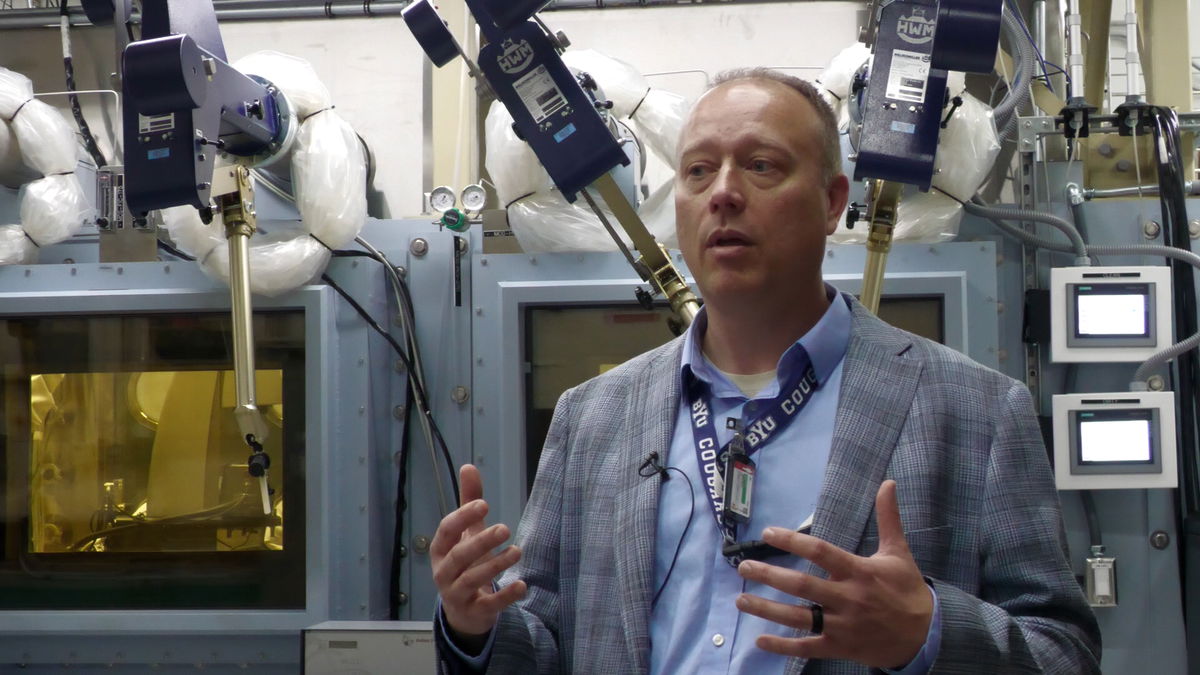
The MSTEC consists of a “state-of-the-art, shielded argon glove box for irradiated and nonirradiated materials, specifically high-temperature liquids such as fuel salts,” according to an INL press release.

“The primary operation, or the primary function, of a glove box is just to keep our researchers safe,” explained MSTEC System Engineer Nathan Petersen.  “The stuff that they work on is hazardous, and so we want to make sure that they can perform their research without any kind of ill effects happening to them.”

The glove box contains eight robotic arms. It is designed to research the characteristics of molten salts deployed in certain advanced reactors – measuring up to 1000 degrees Celsius, viscosity, melting temperature and heat transfer, according to MSTEC Research Leader Mikael Karlsson.

Molten salt reactors can use special salt as a fuel, INL researchers said.

“The technology is not as well explored as a traditional reactor, right. So to be able to deploy the new reactor types, we need to be able to collect good experimental data,” Karlsson said.

Idaho National Laboratory is collaborating with partners such as Oklo, Saltfoss Energy, and others to help develop the fuel cycle.

The Molten Salt Thermophysical Examination Capability (MSTEC) is ready for its debut at Idaho National Laboratory.

Police Investigating Death in Idaho Falls Neighborhood; No Threat to Public Safety">Police Investigating Death in Idaho Falls Neighborhood; No Threat to Public Safety

Police Investigating Death in Idaho Falls Neighborhood; No Threat to Public Safety">

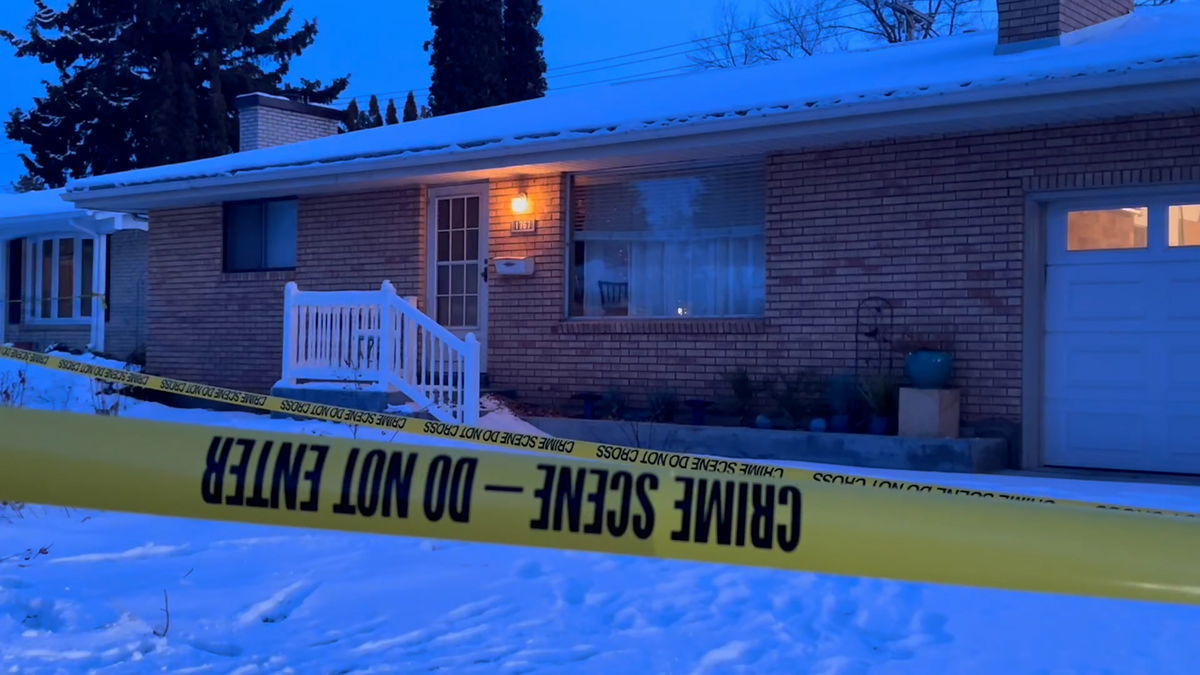
IDAHO FALLS, Idaho (KIFI) — The Idaho Falls Police Department is investigating a death in the 1700 block of Rainier St.

The details surrounding the death are limited at this time, but IFPD spokesperson Jessica Clements did confirm to Local News 8 that authorities do not believe there is any threat or safety concern related to this to the community.

IFPD expects to release additional details by tomorrow morning.

This is a developing story. Local News 8 has a reporter at the scene and will provide additional updates as they become available from IFPD.

INTERVIEW: Brian Murdock Outlines Idaho Water Challenges, Legislation">INTERVIEW: Brian Murdock Outlines Idaho Water Challenges, Legislation

INTERVIEW: Brian Murdock Outlines Idaho Water Challenges, Legislation">

In an exclusive interview on Newstalk 107.9, East Idaho water advocate Brian Murdock provided an update on the state’s water security following a series of high-level meetings, including the Idaho Water User Convention and Farm Bureau Federation gatherings. Murdock expressed a cautious optimism, noting that while recent winter storms have been beneficial, the region continues to grapple with a “snow drought” that has left significant deficits in the state’s snowpack compared to previous years.

Murdock cited Grand Targhee ski resort as a primary example of the current moisture deficit. The resort reports 220 inches of snow this year, compared to 320 inches recorded at the same time last year. Despite the recent precipitation, Murdock warned that Idaho is “still not out of the woods yet,” particularly as rain has accounted for a portion of the moisture that would typically be stored as snow. This discrepancy poses challenges for the upcoming irrigation season, which will serve as a major test for the state’s current mitigation plans and water management strategies.

Under existing agreements, Murdock explained that 98% of groundwater users are expected to avoid new curtailments, provided they adhere to established pumping limits. However, those relying on surface water and older canal rights may face significant cuts, with Murdock projecting they may only receive 85% to 90% of their usual allocations. He noted that the absence of excess water for aquifer recharge means there is no safety net for overconsumption this year. Murdock remains confident in farmer compliance, suggesting that pressure from financial institutions often serves as a stronger motivator for water conservation than state regulation.

Regarding legislative action, Murdock highlighted a $30 million special water budget that has successfully cleared the J-FAC committee and is moving toward floor votes in the House and Senate. He also addressed the emergence of cloud seeding as a legislative topic, including a transparency bill sponsored by Senator Nichols. While acknowledging cloud seeding as a temporary measure, Murdock reiterated his stance that the primary long-term solution for Idaho involves the construction of more dams and reservoirs to increase the state’s total water storage capacity.

scroll to top