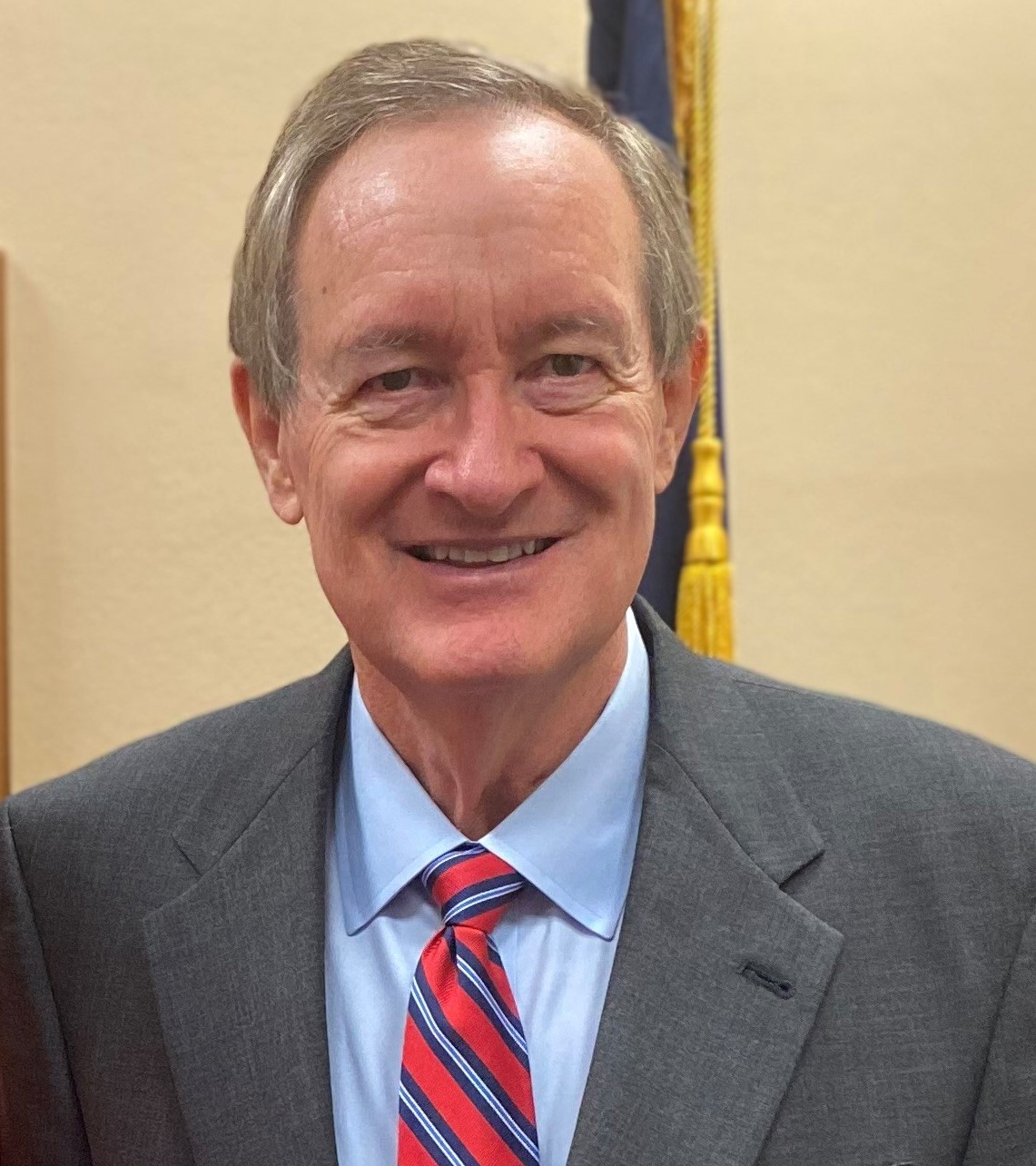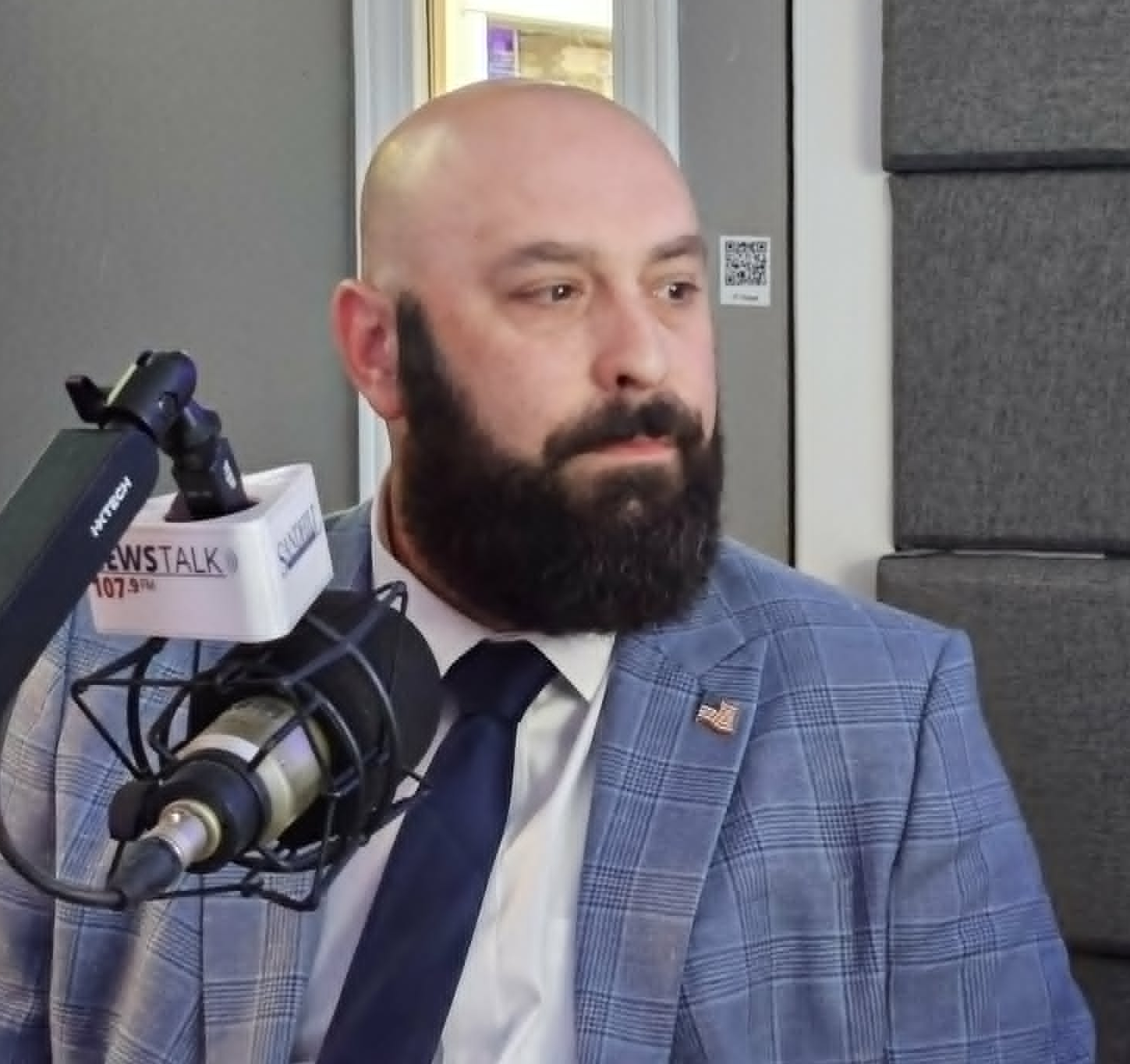
In a recent interview on Newstalk 107.9 with hosts Neal Larson and Julie Mason, U.S. Senator Mike Crapo (R-ID) detailed the current legislative landscape in Washington, D.C., highlighting significant gridlock alongside new initiatives for national security and energy research. Crapo noted that critical measures, including the National Defense Authorization Act (NDAA) and various appropriations bills, remain stalled due to ongoing partisan disagreements over floor time and policy provisions.
Crapo addressed the “Save Act” and potential grants for state election security. While he expressed support for election integrity benchmarks, he warned that passing such measures through the Senate’s reconciliation process would be difficult due to complex procedural rules. He also reacted to recent reports regarding foreign interference in domestic elections, stating it was “not a surprise” that intelligence agencies had confirmed meddling by China and Russia. Crapo emphasized that such information should never be withheld from the president or the American public.
Regarding military operations, Crapo discussed the funding of U.S. forces currently engaged in conflicts involving Iran. He suggested that if Congress fails to authorize spending through the NDAA or appropriations, the president might eventually be forced to declare a national emergency to ensure national security remains funded through the bond market. Additionally, Crapo highlighted a bipartisan legislative effort with Florida Senator Ashley Moody to regulate the importation of pill presses and precursor chemicals. This measure aims to curb the domestic manufacture of illicit fentanyl by enhancing the government’s ability to identify and interdict manufacturing equipment at the border.
On the local front, Crapo confirmed that the Idaho National Laboratory (INL) will play a leading role in a newly designated nuclear tech hub. Supported by a $31 million grant, the initiative seeks to connect federal labs and private sector companies to advance nuclear research. While acknowledging that neighboring states like Utah are also promoting nuclear expansion, Crapo characterized the regional growth as a partnership rather than a competition, noting that the INL would serve as a lead institution in strengthening the nation’s nuclear production capabilities.