
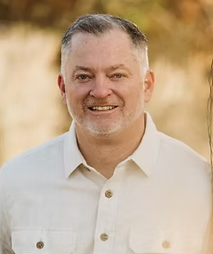
Idaho gubernatorial candidate Mark Fitzpatrick recently discussed the closing stages of his campaign to unseat incumbent Governor Brad Little, describing a surge in momentum and grassroots support. Speaking in an interview on Newstalk 107.9 with hosts Neal Larson and Julie Mason, Fitzpatrick highlighted his recent travel across the state and several key endorsements from Republican Central Committees and local straw polls.
During the interview, Fitzpatrick addressed a controversial “hidden camera” video in which Governor Little allegedly characterized some of Fitzpatrick’s supporters as “straight racist” regarding their views on immigration. Fitzpatrick dismissed the claim as a “leftist move” to avoid substantive debate. He argued that his platform focuses on the economic and social burdens of illegal immigration rather than country of origin, stating that his primary goal is to “fix the immigration problem” and remove those without legal status from the state’s education and health systems.
On fiscal matters, Fitzpatrick criticized the current administration for increasing the state budget by 70% over the last seven years, largely through federal COVID-19 funding. He proposed a return to pre-pandemic budget levels, which would involve significant spending cuts. Fitzpatrick cited his own independent investigations into the Department of Health and Welfare, claiming his efforts to expose fraud contributed to the closure of 28 daycare facilities. To replace lost revenue, he advocated for a ten-fold expansion of the state’s mining and logging industries, suggesting that Idaho’s natural resources could eliminate the need for certain taxes.
Addressing his potential relationship with the Idaho Legislature, Fitzpatrick described his governing style as a “populist” approach, comparing his intended bluntness and transparency to a “Christian Donald Trump.” He asserted that by operating in the open and engaging directly with the public, he could exert enough pressure on legislators to pass stalled bills, particularly concerning immigration and water rights.
Regarding water issues in East Idaho, Fitzpatrick proposed the construction of new basins to capture surface water as a long-term solution. He emphasized that resolving regional conflicts over water rights requires a government that prioritizes transparency over what he described as the current administration’s “history of misinformation.”