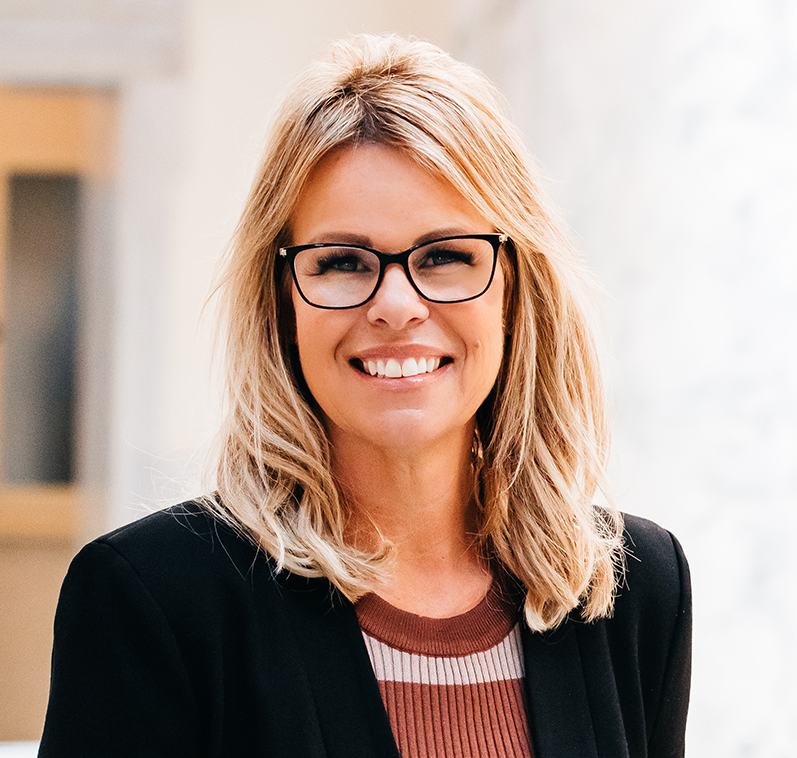
Idaho Superintendent of Public Instruction Debbie Critchfield recently discussed her vision for the future of the state’s education system and her upcoming re-election campaign during an interview on Newstalk 107.9 with Neal Larson and Julie Mason. While Critchfield is running unopposed in the Republican primary, she indicated that she expects a rigorous general election challenge from Democratic and Constitution Party candidates as she defends her record.
A central theme of the discussion was the modernization of Idaho’s school funding model. Critchfield argued that the current formula, established in 1994, is outdated and fails to meet the complexities of 21st-century classrooms. She advocated for a “weighted student model,” where state dollars are attached directly to students and adjusted based on specific needs, such as special education or gifted and talented programs. Critchfield noted that the existing “one size fits all” approach has led to an over-reliance on local supplemental levies, which she described as unsustainable.
Addressing the political landscape, Critchfield commented on the recent “no confidence” vote issued by the Idaho Education Association (IEA) against the governor. The tension stems from legislation that removed school districts as intermediaries for union dues. While acknowledging the controversy, Critchfield defended the administration’s support for educators and emphasized the importance of distinguishing between union business operations and actual classroom advocacy. She also addressed the rise of school choice, suggesting that parental interest in programs like the House Bill 93 tax credit is driven more by a desire for family flexibility than by divisive cultural issues.
The Superintendent also highlighted Idaho’s proactive stance on Artificial Intelligence (AI) in education. She described recent legislation as a necessary step to create “guardrails and parameters” for the technology. According to Critchfield, the goal is to protect student privacy and ensure that AI is used effectively as a professional tool for teachers to enhance lesson planning. She expressed pride in Idaho being one of the first states to formally address AI, noting that the technology is already present in daily life and must be managed responsibly within schools.