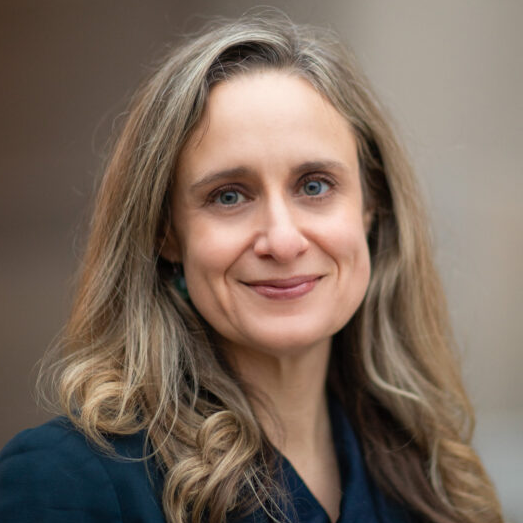
Idaho Democratic Chair Lauren Necochea
Credit: Idaho Democratic Party
In a recent interview with Neal Larson on Newstalk 107.9, Idaho Democratic Party Chair Lauren Necochea addressed what she described as an unusually contentious legislative session. Necochea attributed much of the friction to a significant budget shortfall and intensified Republican infighting, which she claims has led to a lack of investment in core public responsibilities.
Necochea argued that the state is facing a fiscal gap that the Republican supermajority has been hesitant to address. She pointed to proposed or actual funding reductions for wildfire prevention, public safety, Medicaid, and therapies for children with disabilities. To mitigate these pressures, Necochea suggested that Idaho should utilize its rainy day fund, particularly to prepare for summer wildfire costs that she expects will exceed current allocations. She also criticized the state’s new private-school tax credit policy, characterizing it as a “voucher” program that subsidizes private tuition without bringing in new revenue to cover the cost.
A significant portion of the discussion focused on tax policy. Necochea contended that recent income tax cuts have been skewed toward high-income earners while straining the state’s ability to fund essential services. She cited data indicating that households in the top 1% received roughly $20,000 in annual benefits from cumulative cuts over five years, compared to just $33 for those in the bottom 20%. Necochea further criticized the repeal of Idaho’s child tax credit, suggesting that the state should instead follow the lead of states like Minnesota, which has implemented larger credits for working families.
Regarding electoral strategy, Necochea emphasized the importance of fielding Democratic candidates in more districts to provide accountability and curb political extremism. She argued that when seats are left uncontested, Republican lawmakers are often incentivized to move further to the right to avoid primary challenges. When asked about “crossover voting,” Necochea stated her preference for Democrats to remain registered and active within their own party. She concluded by highlighting that Democratic votes have frequently been necessary to pass essential Medicaid funding, framing her caucus as a stabilizing force in the legislature.