WIkimedia Commons
Credit: Thisaccountis42
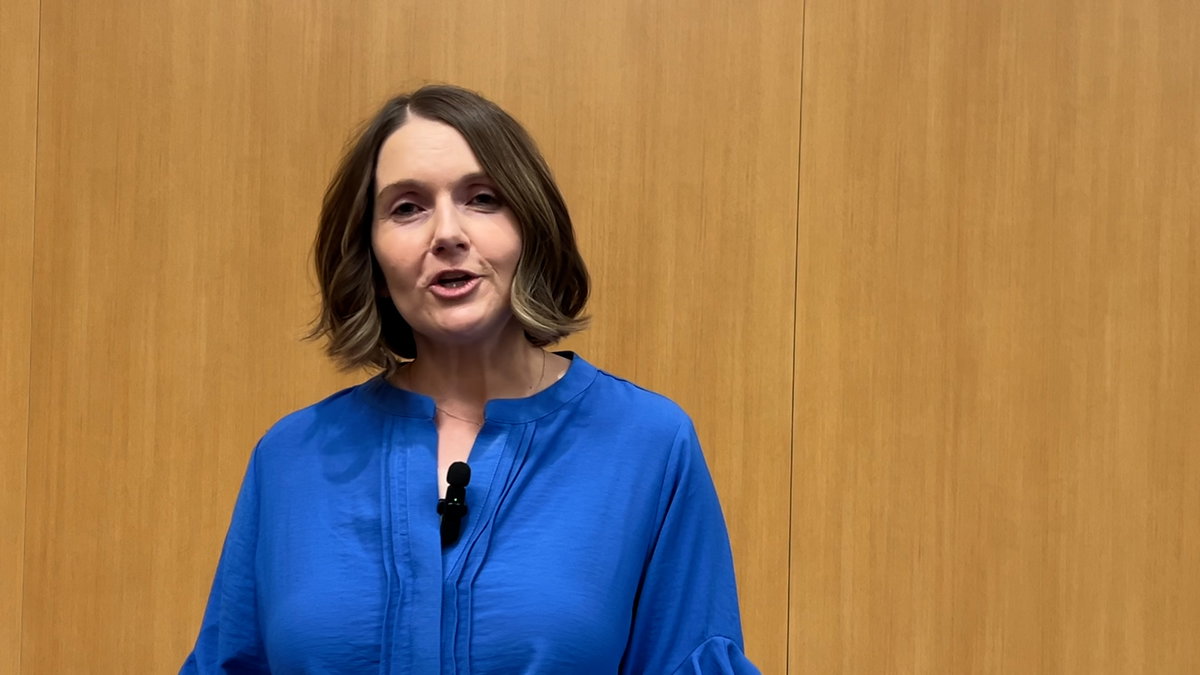
The Church of Jesus Christ of Latter-day Saints has donated $1 million to the “Stop Prop 1” campaign, marking a major financial development in the debate over the Idaho initiative. In an interview on Newstalk 107.9, campaign representative Tom Luna discussed the donation alongside hosts Neal Larson and Julie Mason, detailing the coalition’s fundraising standing and upcoming campaign strategies.
According to Luna, the Stop Prop 1 coalition was built as an interfaith effort, founded by himself, Christian Welp of the Catholic Diocese, and evangelical leader Blaine Conzatti. The $1 million contribution from the LDS Church follows a two-week period during which letters opposing the proposition were read to congregations during Sunday services. Organizers hope the donation will help bridge a substantial funding gap between the opposing sides.
During the broadcast, Larson and Mason noted that the pro-Proposition 1 group, Idahoans United for Women and Families, has raised approximately $5 million. Luna added that approximately $2 million in “dark money” has been spent by a supportive C3 organization that is not legally required to disclose its donors. With the opposition previously holding about half of the pro-proposition campaign’s budget, Luna explained that the LDS Church’s contribution will be utilized to run traditional television, radio, streaming, and social media advertisements.
The coalition plans to focus its messaging on specific language within the proposition. Opponents argue that the measure would alter Idaho’s current definition of fetal viability from a standard of surviving with medical assistance to one requiring survival without “extraordinary medical assistance.” Additionally, Luna expressed concern that the initiative’s broad language would override existing state laws requiring parental consent and notification for minors seeking abortions.
As the election approaches, Tom urged voters to review the initiative’s details at www.stopprop1.org, pointing out that major financial backers of the “Yes” campaign reside in states like New York, Illinois, California, and Washington, D.C. He encouraged opponents of the measure to engage in community discussions using a respectful, Christ-like approach.