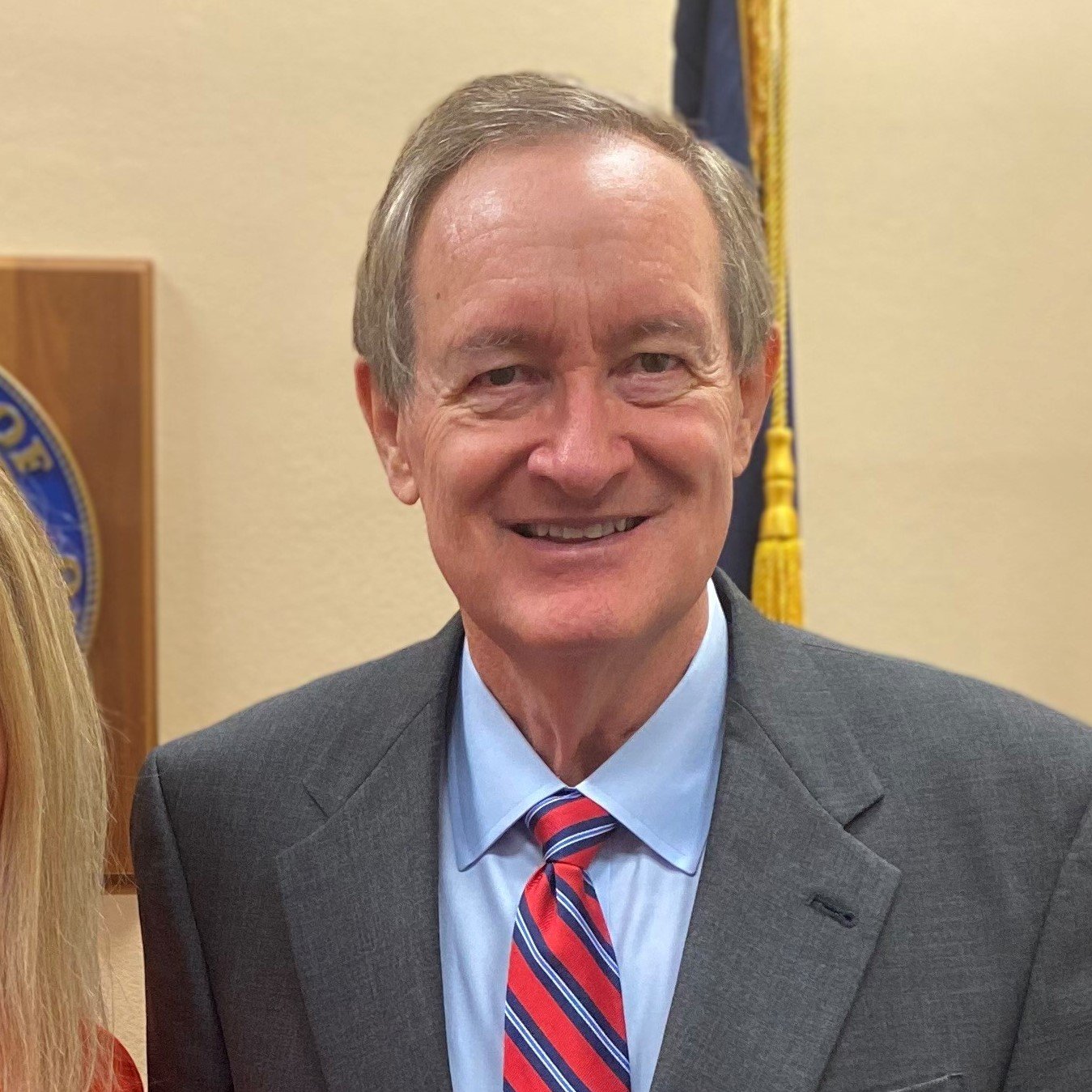
U.S. Senator Mike Crapo (R-ID) discussed a wide range of legislative priorities, economic issues, and state-level policies during a recent interview on Newstalk 107.9. Speaking from Washington, D.C., Crapo highlighted ongoing efforts in the Senate, including bipartisan work on college sports and energy infrastructure.
Among the active legislative items, Crapo noted the Senate is working on Name, Image, and Likeness (NIL) legislation to establish a national standard for college athletics. According to Crapo, the measure is supported by Idaho’s major universities to prevent larger programs from dominating the sport. He also emphasized the push for permitting reform to expedite oil, gas, and broader infrastructure projects. Regarding the AM Radio for Every Vehicle Act, which mandates AM radio in new passenger vehicles, Crapo expressed support, citing its critical role as a public safety tool when cellular networks fail.
On trade and state politics, Crapo explained his decision to block Senate Democratic Leader Chuck Schumer’s effort to revoke the Trump administration’s global tariffs. Crapo defended the use of tariffs as a tool to protect American interests and criticized the move to bypass the committee process. Turning to local issues, Crapo voiced his opposition to Proposition 1—which was discussed on the program as an abortion-related initiative—stating his belief that the state legislature’s existing guidelines represent the appropriate path.
Addressing economic concerns, Crapo criticized the Federal Reserve’s recent interest rate hike. While acknowledging the Fed’s goal of curbing inflation, he argued the hike would harm the housing market by driving up mortgage costs. Additionally, Crapo addressed Donald Trump’s proposal to distribute $5,000 checks to American adults. Crapo suggested the statement may have originally referenced projected tax savings from the Working Families Tax Cut Act, warning that an outright $1.2 trillion cash distribution would be “fiscally undoable” without equivalent spending offsets.