Neal and Julie spent the morning bouncing between a few stories that all, in their own way, come back to trust—trust in institutions, trust in elections, and trust that people will be held accountable when they cross the line. We started with “Mormon Women for Ethical Government,” and why the branding feels intentionally provocative (and, in our view, politically one-directional). The bigger takeaway wasn’t their Idaho footprint—because it’s tiny—but the fact that their national funding has grown into a real war chest, which means we should expect to see them show up more often in upcoming election cycles.
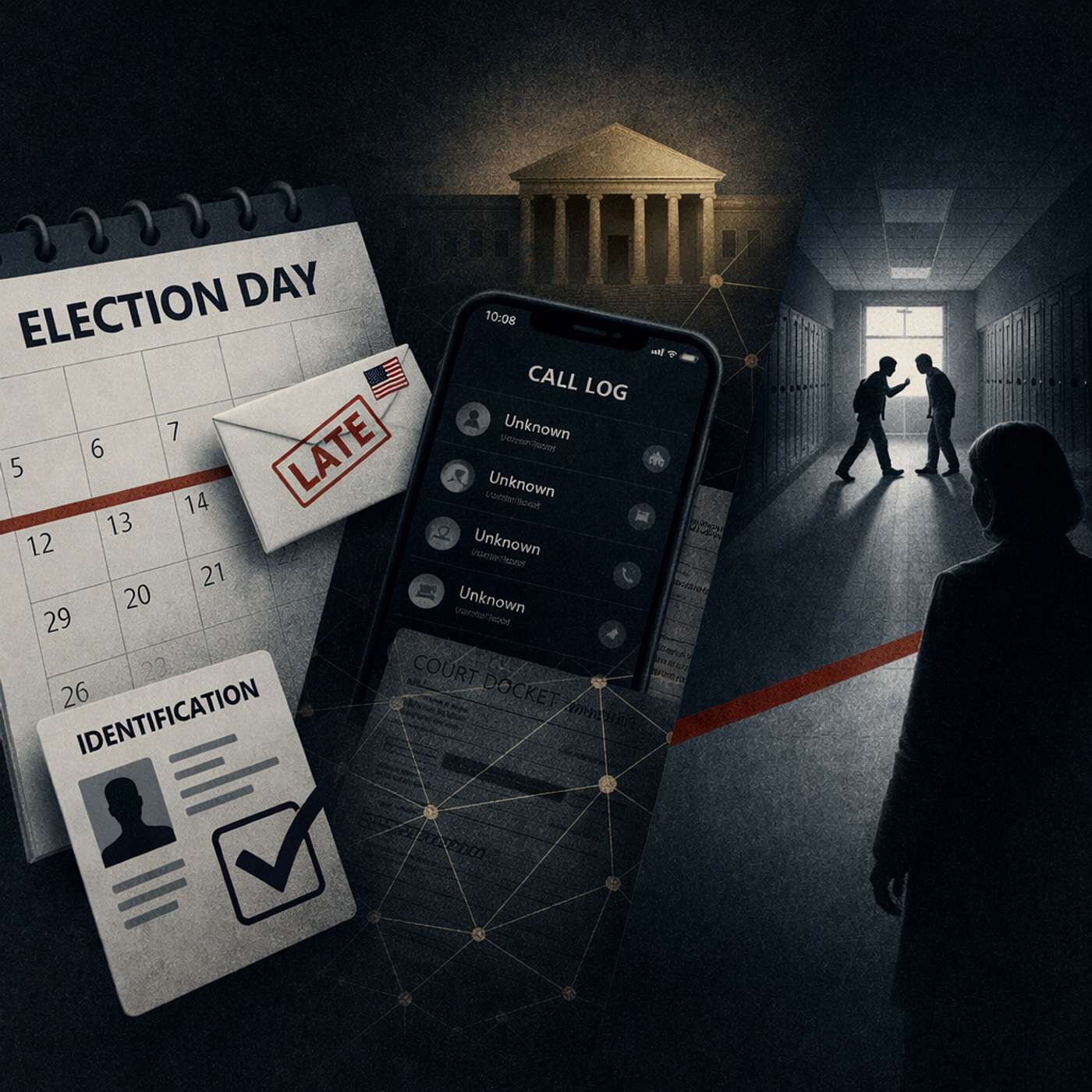
From there we dug into election integrity: the Supreme Court weighing post–Election Day ballot counting, the basic logic that “election day” should mean an actual day, and why voter ID is treated like an outrageous idea—until you need it to stop fraud in something as small as redeeming cans in Connecticut. We also reacted to Ted Cruz’s comments in the “Arctic Frost” hearing (the alleged surveillance/data-gathering aimed at Republicans and Trump-world), and talked through why even “just” grabbing phone records is a major civil liberties problem—especially when it’s used as political weaponry. We wrapped with a surprisingly heated public reaction to the Utah mom accused of kidnapping her child’s bully, and the uncomfortable truth that lots of people *understand* the impulse even while knowing you can’t do that. Along the way we touched on the broken incentives in school discipline, how long justice takes (especially in death penalty cases), and why Kermit Gosnell’s death in prison still matters as a cultural gut-check the media largely tried to look past.
### Highlights
– Why “Mormon Women for Ethical Government” is likely to become more visible as their funding grows—despite limited local traction.
– Supreme Court focus on ballots counted after Election Day, and the broader argument for tighter election timelines and voter ID.
– “Arctic Frost” Senate hearing: why metadata collection and political surveillance should alarm everyone, regardless of party.
– Utah “kidnapped the bully” story: public support, the gray areas around bullying, and the very clear line you still can’t cross.
– Kermit Gosnell’s case as a reminder of what the media chooses to cover—or ignore—and why that shapes public conscience.
Let’s talk advertising. When you want to advertise on the radio, you call the station, right? But what about Facebook, Instagram, Hulu, Disney+, Peacock, and other streaming platforms?
You could try clicking around, reading books, or taking online courses to figure it out—or you can let us handle it. At Sandhill Media Group, we’re your local experts in both radio and digital marketing.
Visit SandhillMediaGroup.com today.